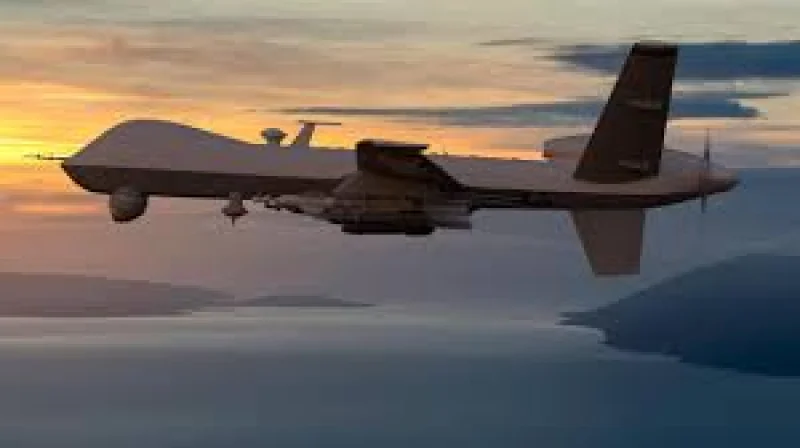
The United States has lost about 45 MQ-9 Reaper drones in the war with Iran, a toll that amounts to roughly one-quarter of the fleet it had before the fighting began. The losses have pushed the bill past $1.3 billion and are forcing Washington to buy replacement aircraft from General Atomics' existing stockpiles.
That surge matters now because the MQ-9 Reaper is one of the U.S. military's main aircraft for surveillance and precision strikes, and each system can cost up to $30 million. Before the war, the fleet numbered about 185 units, so losing 45 aircraft leaves the service trying to rebuild a force that was already committed to other missions.

The Reaper can stay aloft for about 24 hours and reach altitudes around 13,000 metres, which is why it has become such a widely used platform for long endurance work. Its weapons include AGM-114 Hellfire missiles and Mark 82 guided bombs, giving it the reach to strike as well as watch.
But the same profile that makes the aircraft useful also makes it vulnerable. Its relatively low speed and altitude leave it exposed to ground-based interception systems, and the losses have been severe enough that some Reapers were destroyed while sitting on U.S. military bases during Iranian strikes. That detail cuts against any simple idea that the fleet was lost only in the air.
Iran's air defense network has emerged as the central obstacle for the MQ-9 Reaper during sustained operations near Iranian territory, and the United States still has to keep supplying drones for other ongoing operations elsewhere at the same time. Washington is already drawing from General Atomics' existing stockpiles, but the open question is how fast those aircraft can be delivered back into service while the losses continue to mount.