


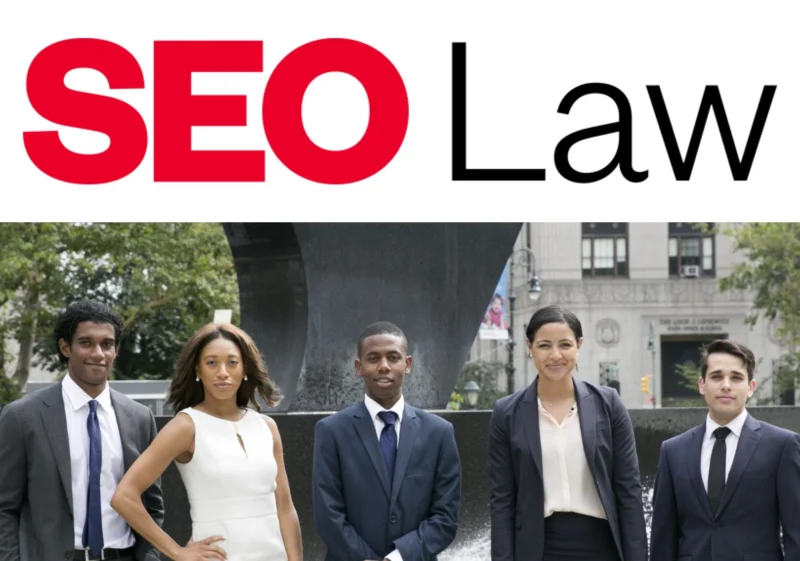
Americans for Equal Opportunity asked the Federal Trade Commission on Wednesday to investigate Sponsors for Educational Opportunity over its law fellowship program, arguing that the group may have misled sponsors and applicants about who the fellowship was meant to serve. The complaint centers on whether SEO shifted the program's pitch from diversity to economics while still selecting fellows whose backgrounds did not fit that image.
The request lands now because the 2026 cohort has become the latest test case for SEO's messaging. In a 2024 presentation, the program was described as designed to support low-income, first-generation and underserved people by giving them industry exposure, yet the latest class included graduates of elite boarding schools, consultants with six-figure salaries and the son of a Brown-educated plastic surgeon.

One name inside that cohort makes the disconnect easier to see. Kristin Santana attended Loomis Chaffee, a private school with tuition that runs between $60,000 and $80,000 a year, interned at Simpson Thacher and later worked full-time as a paralegal at Davis Polk before SEO placed her in the fellowship. Other fellows had similar polish: Makira Burns held full-time posts at Latham & Watkins and Sidley Austin before SEO placed her at Debevoise & Plimpton, and Iannelis Ramdhany Correa graduated from Phillips Andover Academy and spent two years at Patterson Belknap Webb & Tyler before moving to White & Case.
SEO's earlier public framing makes the complaint harder to dismiss. A PowerPoint obtained by the Washington Free Beacon said the SEO Law Fellowship had always been open to applicants from all racial and ethnic backgrounds, and a similar presentation in 2024 said the program was intended to support low-income, first-generation and underserved individuals. In October 2023, SEO met with some of the top law firms in the United States, at a time when the fellowship still operated as a diversity program that placed underrepresented law students at white-shoe firms the summer before their 1L year.
That shift matters because the fellowship was not just changing language; it was changing the basis on which firms and applicants were told to view it. Americans for Equal Opportunity says SEO misrepresented itself to sponsor firms in violation of consumer protection laws, and the Free Beacon's review found that SEO accepted almost zero white people over the next two years while using LinkedIn to identify 50 of the 58 students selected for this year's class. The unanswered question is whether the Federal Trade Commission will treat those claims as enough to open a full investigation, or whether SEO will be left to defend the gap between what it promised and who ended up inside the program.
