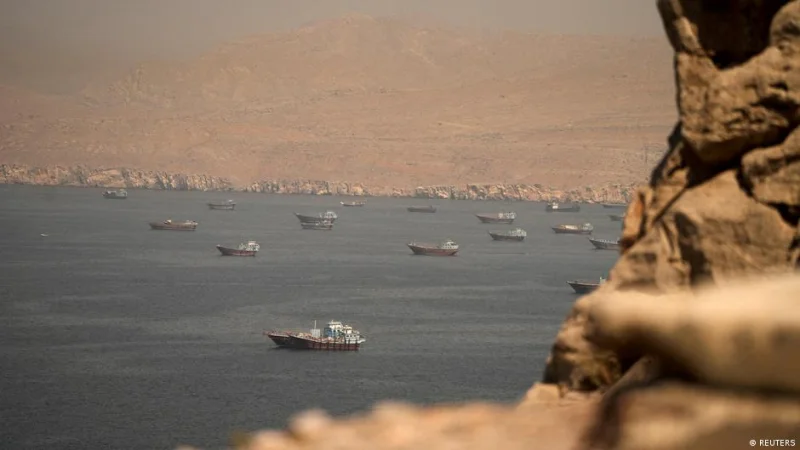
MERA Oil has entered the final stage of choosing where to build a $5 billion integrated refinery and energy export corridor outside the Strait of Hormuz. The private consortium behind the project says the planned development is meant to give Gulf states a route-resilient way to move crude and refined products to sea without relying on one of the world’s most exposed oil chokepoints.
That search is now moving from discussion to decision. Simon Watkins, a former senior FX trader and salesman who writes on energy markets, has described the group as having spent three years weighing possible sites before reaching the point where a host can be selected. The project centers on a 200,000-barrel-per-day integrated refinery linked to deepwater port infrastructure, large-scale storage and marine export facilities, which is why the location matters as much as the size.
MERA Oil was formally announced at the end of last month as a joint venture between MWG Enterprises, the Patel Family Office and PWS. Its planners want the facility outside the Strait of Hormuz so it can connect directly to international shipping routes and avoid the vulnerability that comes with dependence on the strait. After the site is officially announced, the project is expected to move into final site diligence and engineering design.
The push has broader weight because the Strait of Hormuz remains effectively controlled down its eastern stretch by vast Iranian forces, while the article also points to Tehran’s leverage over access to nearby waterways. Iran has flagged the possibility of closing both waterways if threatened, which is the backdrop to why alternative export infrastructure is gaining urgency. In that sense, the MERA plan is not just a refinery project; it is a bet that Gulf states can harden their export network before a crisis tests it.
What is still missing is the host itself. Once that choice is made, Phase One is due for mechanical completion at the end of 2029, with commissioning and commercial operations to follow. Until then, the project’s next real milestone is not a ribbon-cutting but the place where the corridor begins.