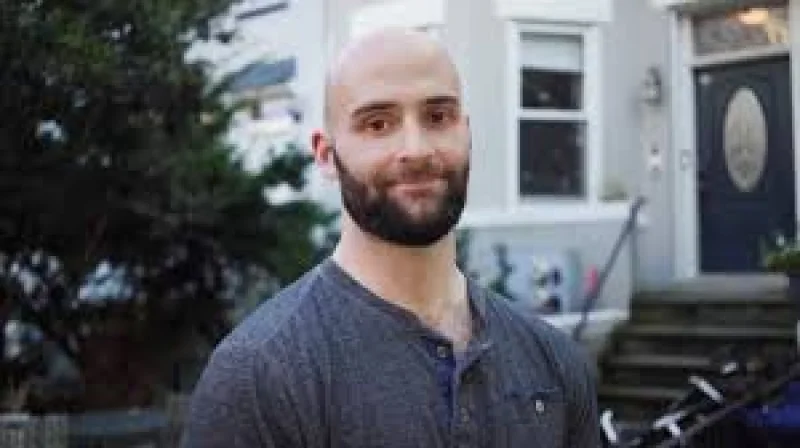
Charles Broomfield is on track to earn about $323,000 in 2026, yet the 26-year-old Google AI security analyst says his core living costs should stay below $20,000 a year. That makes him an unusually paid worker living on a budget so lean that his annual spending still comes in below the $23,700 estimated annual minimum-wage income across all 50 states.
The reason people are reading closely is simple: Broomfield is not just earning a large wage, he is keeping almost all of it. He has already built around $650,000 in investments since graduating from college in 2022, and he expects to reach his $750,000 target within the next year. He has tied that goal to financial independence before 30, a plan rooted in the FIRE movement he found at 17 through Mr. Money Mustache.
His numbers are stripped down to the essentials. In August, his core living expenses totaled $1,477, while his investment contributions reached $17,931 in his 401(k) and brokerage account. Rent and utilities took $1,098 of that month, a kickboxing gym membership cost $229, and discretionary spending came to just $59. He also paid $700 for an employer tuition repayment plan.

Broomfield’s setup helps explain how the math works. He shares an apartment with four roommates, which saves him about $1,000 a month compared with renting a one-bedroom apartment in his neighborhood. He does not own a car and gets around by walking, cycling and public transport, while Google covers his daily Metro commute. He also eats most meals at work, cutting food costs from about $200 a month to roughly $70.
There is still a sharp edge to the story. Broomfield earns a salary that would put most people far above the federal line of everyday money worries, but he keeps his spending below what many full-time minimum-wage workers make in a year. He said knowing he would be financially secure even if he lost his job tomorrow has been a huge relief. That security is the point: he is racing toward independence now so he can later build his own business, potentially in AI security, without needing the next paycheck to decide his future.
He has pushed the idea further than most people would. Broomfield once considered living in a van parked in his employer's garage to avoid paying rent, and he even cycled two miles to save $1 on toothpaste. The question now is not whether he can keep living cheaply; it is how quickly he reaches $750,000 and whether the discipline that built his savings becomes the foundation for his next job, not just his current one.