Massachusetts is getting three major sky events this month, and the busiest night comes fast: a total solar eclipse on Wednesday afternoon, the Perseids meteor shower at night, and a near-full lunar eclipse later that same evening. For people in Greater Boston and across the region, the sequence turns one day into a full sky watch.
The first stop is the daytime eclipse around 2 p.m. on Wednesday, when the sun will be only a sixth covered. That is a far smaller event than the total solar eclipse New Englanders saw in 2024, but it still gives viewers a clear reason to look up before dark. Kelly Beatty said people should expect a very nice partial view of the sun that can be seen all around.
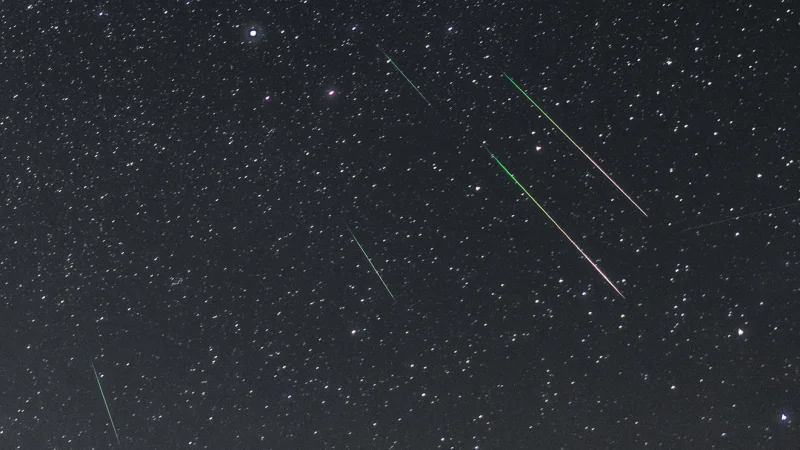
Then the Perseid meteor shower 2026 takes over after nightfall, with the peak starting around 9 p.m. The meteors appear to streak out of Perseus, but they are really bits of Swift-Tuttle burning up as they hit the upper atmosphere at roughly 133,000 thousand miles per hour. In a really dark location, Beatty said, observers might see around one meteor per minute and, ideally, as many as 100 per hour.

That is the promise. The reality for most people, though, is less generous. Light pollution will cut the show down to roughly one meteor every other minute, which still leaves a steady stream if the sky is clear. The best way to improve the odds is simple: get away from bright lights, because darkness matters more than almost anything else.
The lunar eclipse adds the final act, visible over Massachusetts from later evening into the early morning and peaking just after midnight. About 96% of the moon will be covered by Earth’s shadow, and Beatty said the rest could take on the coppery color total lunar eclipses are known for. It is not quite total, but it is close enough to make the night feel crowded.
The larger story is that all three events land in one month, but they do not offer the same payoff. The solar eclipse will be modest in New England, the meteor shower will reward darkness more than luck, and the moon will be near total without quite getting there. The next almost total lunar eclipse does not come again until the end of 2028, which gives this month’s sky its edge: if people in Massachusetts want the fullest run of celestial viewing, this is the night to stay outside.