


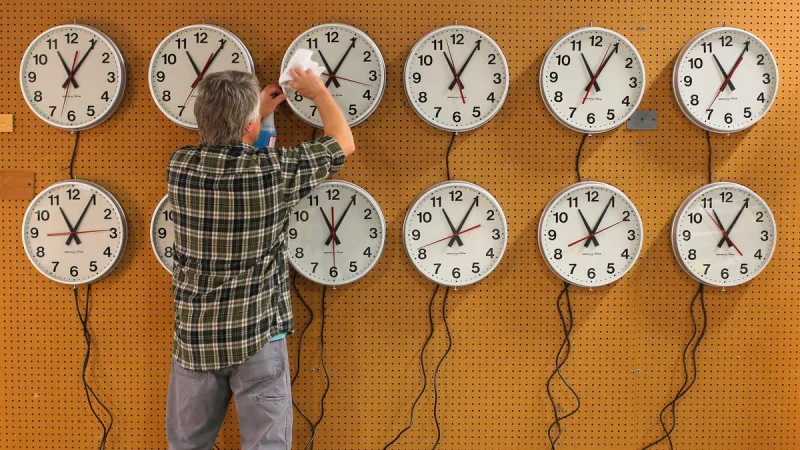
Americans are still expected to turn their clocks back on Nov. 1, even after the House passed legislation in July that would keep daylight saving time in place year-round. The change that would end the twice-yearly switch is not law yet, and unless the Senate acts first, the fall reset will happen as usual.
The push has fresh urgency because the Senate is in recess until Sept. 14, leaving a narrow window before the Nov. 1 clock change. President Donald Trump added his voice on Aug. 4, posting on Truth Social that the practice is “foolish, inconvenient and, in some cases, very costly,” and urging lawmakers to back the Sunshine Protection Act.
That bill would make permanent daylight saving time and eliminate the ritual of moving clocks forward in spring and back in fall. Trump said people are “sick and tired of having to change their clocks twice a year” and argued that staying on daylight saving time would mean fewer traffic accidents, lower crime, energy savings and more time for families and outdoor activities. If the Senate approves the measure, it would go to Trump's desk for his signature.

But the path is not clear. John Thune has questioned whether there are enough votes in the Senate to pass the legislation before the fall time change arrives, even with Trump's support and bipartisan backing. That doubt matters because the calendar is doing its own countdown: if the Senate does nothing, Americans will still fall back on Nov. 1.
The debate is not only about convenience. Sleep and health researchers have long said that changing clocks twice a year disrupts circadian rhythm, and Erik Herzog has said permanent standard time would better align with the body's natural clock. That leaves the Senate weighing two different versions of permanence, with the House already on record for keeping the clocks forward and the next deadline set in the early-morning dark of Nov. 1.
For now, the immediate answer is simple: the clocks still change unless the Senate returns from recess, agrees on the Sunshine Protection Act and sends it to Trump before Nov. 1. If that does not happen, permanent daylight saving time will remain a proposal, not a schedule.
