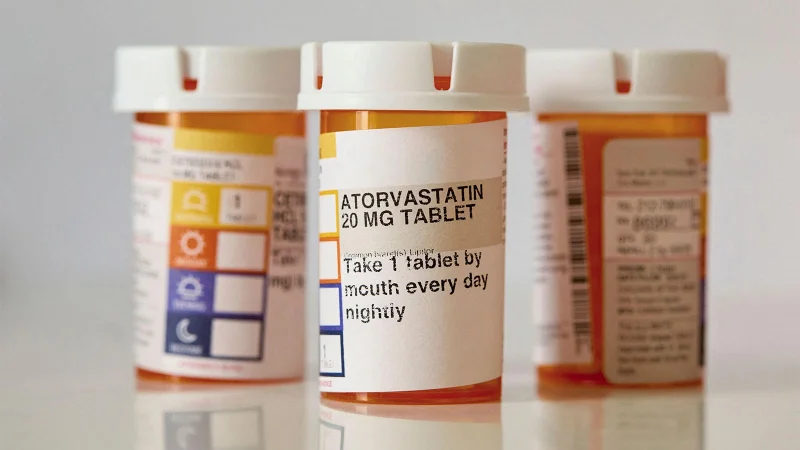
The new cholesterol guidelines would push statin treatment toward younger and lower-risk adults, and the shift is large enough to change how doctors talk to patients in the exam room. Under the 2026 guideline, an estimated 87.5 million U.S. adults ages 30 to 79 would be statin eligible, including 21.5 million who would be newly eligible.
That matters now because the updated guidance replaces an older way of estimating risk with PREVENT equations, which are meant to guide primary prevention with a longer view of cardiovascular disease. Timothy Anderson called the change a “sea change” for doctors counseling patients, and said people flagged with high cholesterol in their 30s and 40s were previously more likely to be told to focus on diet and exercise unless they already had heart disease or other major risk factors such as diabetes.
The numbers help explain why the guideline is drawing attention. The newly eligible group is not simply bigger; it is different. Their mean estimated 10-year ASCVD risk is 3.1%, compared with 6.1% in the people already recommended for statins under the older guideline. That lines up with the new thresholds, which allow lipid-lowering therapy to be considered at a PREVENT-ASCVD risk estimate of 3% to less than 5% and should be considered at 5% to less than 10%.

One JAMA analysis projected that the new guideline reclassifies over one in five adults based on PREVENT, with two-thirds moved to lower-risk categories and one-third moved higher. Men were most often shifted downward at 24.2%, Black individuals at 29.6% and current smokers at 27.7%, while women were more often shifted upward at 11.1% and people with diabetes at 20.4%.
But the picture is not perfectly straightforward. A second NHANES analysis found that the share of adults who may be recommended lipid-lowering therapy was 49.6% with the 2026 guideline, compared with 49.4% before it, and Allison Peng and colleagues said there was no significant net change in statin recommendation after adoption of the PREVENT-based approach. The apparent expansion in eligibility, then, does not automatically translate into a larger share of people being treated.
That is the practical question doctors now have to work through: which patients who once would have been watched are now likely to start medication, and which patients will be shifted out of treatment territory. For many clinicians, the new cholesterol guidelines are less about a single cutoff than about a broader decision-making frame, one that will pull more younger adults into prevention while leaving the overall population picture less dramatically changed than the raw eligibility count suggests.