


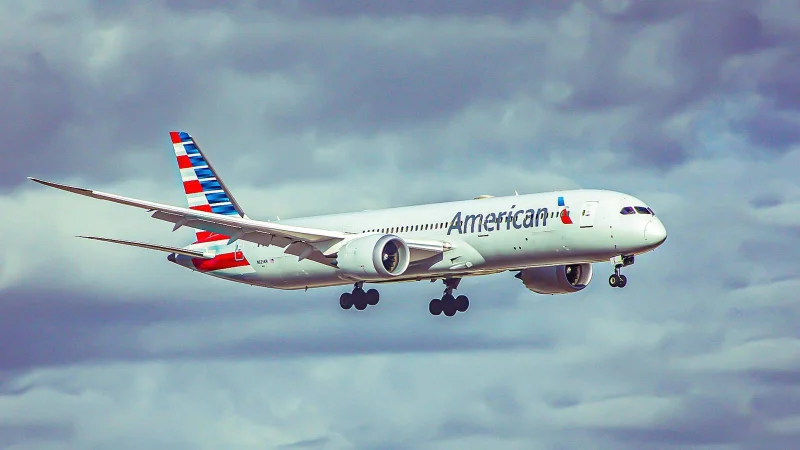
American Airlines flight AA719 was forced into an unscheduled landing in Dublin on Saturday after six of the nine flight attendants on board reported feeling unwell. The Boeing 787-9 Dreamliner had been flying from Rome to Philadelphia when the crew diverted about three hours into the trip.
The aircraft touched down safely on Runway 28L about six hours after leaving Rome. American Airlines said paramedics met the plane at the gate and evaluated the affected flight attendants and one passenger before releasing them. With 12 crew members and 281 passengers on board, the disruption did not stay confined to the cockpit and cabin; it turned a routine transatlantic service into an overnight detour for everyone aboard.

That matters because the scale of the crew illness is unusual even by in-flight emergency standards. Six of nine flight attendants were dizzy or ill, which is a much larger share of the cabin crew than a typical single-person medical issue. American Airlines said the diversion was triggered by a reported odor onboard, but it did not identify what caused that odor, and the visible impact on the crew left a sharper question than the explanation did.
The flight was operated by a seven-year-old Boeing 787-9 registered as N840AN and delivered to American in 2019. That model is generally treated as less vulnerable to cabin-air fume problems because it uses electrically driven compressors to draw outside air through dedicated intakes, rather than relying on the same type of engine bleed-air system used on many older aircraft. Even so, the concern has not gone away. Federal Aviation Administration data point to at least three fume events a day on US aircraft, which is why any odor report on a long-haul flight now lands with more weight than a standard cabin complaint.
For the 281 passengers, the next step was not another flight that same night but an overnight stay and rebooking on services the following day. The airline has not said whether the odor report led to any further investigation, and that gap is now the one that matters most: what filled the cabin, and why so many of the flight attendants reacted to it at the same time.
