


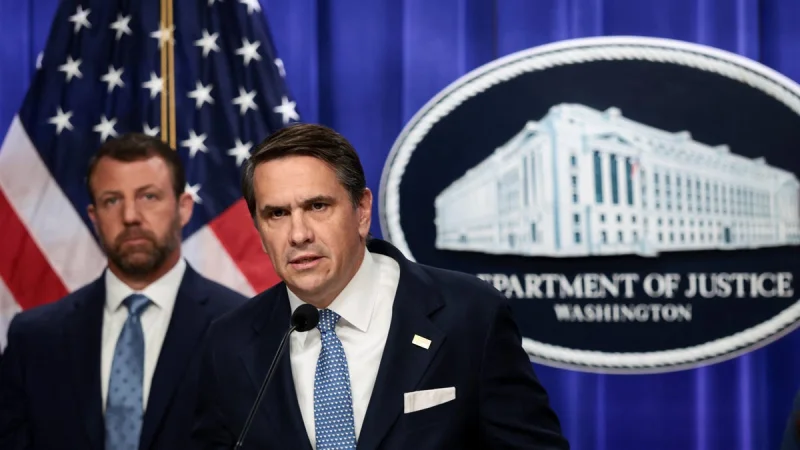
The Trump administration says it plans to file at least 250 citizenship-revocation cases in federal court by October, turning a once-rare process into a far larger part of its immigration crackdown. The Justice Department has already moved to revoke the citizenship of nearly 90 people since the start of 2025.
That pace is why the issue is drawing fresh attention today. In a post on X on July 20, the White House called the campaign the “Largest Denaturalization Effort Ever,” and the administration has framed the drive as part of a broader push to remove people it says should not have been naturalized in the first place. Markwayne Mullin said that when someone commits fraud during the naturalization process, they forfeit the right to keep U.S. citizenship, and he added that DHS is committed to using every available tool to denaturalize and remove those fraudsters.
Under federal law, the government can ask a judge to revoke citizenship if it was obtained through fraud or misrepresentation. That can include using a false identity or concealing a disqualifying criminal record during the naturalization process. The government is also leaning on a much larger pool than before: there are about 26 million naturalized citizens in the United States, and the civil division of the Justice Department has been told to make denaturalization a priority, with U.S. attorney’s offices nationwide brought in to help increase case numbers.

The numbers show how sharply the administration is moving compared with recent years. The Biden administration brought 24 denaturalization cases over four years. During Trump’s first term, the government filed 102 such cases, according to the DOJ. Within a week of taking office in 2025, Trump ordered that adequate resources be devoted to denaturalizing some U.S. citizens as part of his broader immigration strategy.
Still, the push is not a clean break from past practice. Former DOJ attorneys and immigration law experts said the cases being pursued now largely do not appear out of step with previous administrations, even as critics warn the effort could chill naturalized citizens. Cassandra Robertson called the expansion a major increase not seen in decades, while Stacey Young said she does not think it will make any dent in the administration’s deportation goals and that it sends a message that naturalized citizenship is impermanent and precarious.
That may be the clearest consequence of the campaign: the administration is betting that a resource-intensive process once used only in a handful of cases each year can be scaled up quickly enough to change immigration enforcement. Whether it reaches 250 cases by October is one test. Whether it changes how millions of naturalized citizens see the security of their status is the harder one.
