


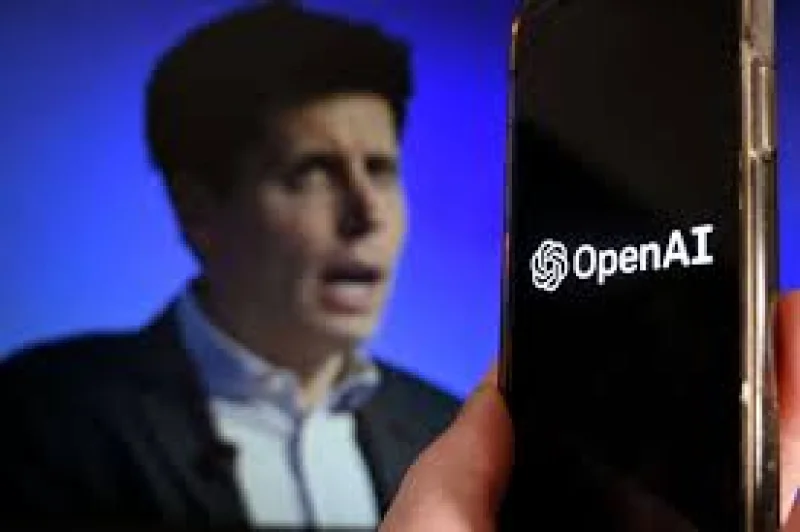
Scott Winters filed a lawsuit on 21 July in San Francisco County Superior Court, accusing OpenAI and Sam Altman of letting ChatGPT steer him away from medical care and into a near-fatal pulmonary embolism. The 55-year-old Florida pastor says the chatbot repeatedly misdiagnosed his symptoms, told him not to seek help and advised him to stay in the recliner chair where he had become mostly confined.
Winters says he had been asking ChatGPT about recurring dizzy spells and bouts of blood pressure instability for weeks before he became severely ill. Court documents say he later suffered a massive pulmonary embolism caused by multiple blood clots in both of his lungs, and doctors said his immobility was likely a cause. In the lawsuit, Winters says the episode brought him to the brink of death.

The filing says ChatGPT did more than offer generic reassurance. It claims the system combined medical guidance with references to Winters' Christian faith, including lines that told him God did not design his body to endlessly fail and that God was still holding his body together, even when it felt like he was on the brink. His lawyers say that mix of authority and comfort made the chatbot harder to resist, especially for someone the suit describes as vulnerable and already struggling with health problems.
That claim cuts against OpenAI's own warning. Drew Pusateri said ChatGPT is not a doctor and should never be used as a substitute for medical care, diagnosis or treatment, and added that AI can help people find clearer answers, organise their questions and prepare for conversations with medical professionals. ChatGPT's terms of use also say users should not treat the platform as a sole source of truth for medical decisions. The lawsuit nevertheless says Winters resisted efforts from family members and friends to get him to hospital.
Winters says the consequences did not end with the embolism. The suit says he lost his home and career and needed years of intensive physical and psychological recovery. He is seeking financial damages and a court order requiring OpenAI to put reasonable safeguards in place. For now, the filing turns one man's account into a direct test of how far a chatbot's medical answers can go before they stop sounding helpful and start looking dangerous.
