


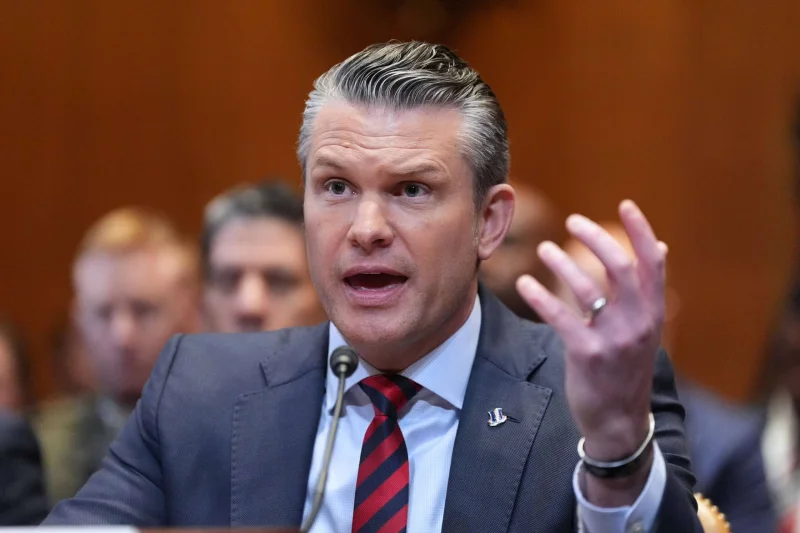
Pete Hegseth this week ordered annual testosterone-deficiency screening for active-duty and reserve service members aged 30 and older, putting a new Pentagon health policy into motion for a broad slice of the US military. He said the checks are meant to help maintain readiness and would come with advice on treatment, which he said would remain voluntary.
Hegseth framed the move as a way to keep troops at their “absolute best,” with better resilience, longevity and performance. For people searching the issue now, the reason is simple: this is not a general policy discussion but a fresh order that could change how doctors and commanders think about fitness across the force.
Five of six men’s health experts contacted by said they were puzzled by the announcement and worried it could lead to unnecessary or harmful treatment. Four of the six said there was no solid evidence that screening every military member aged 30 and older would optimize US readiness for combat, which puts the policy in direct tension with the readiness case Hegseth is making.

That skepticism matters because testosterone treatment is supposed to be reserved for patients with confirmed deficiency and symptoms such as reduced libido, erectile dysfunction, fatigue, decreased muscle mass and low bone density, according to the American Urological Association and the Endocrine Society. Kevin McVary said people often report better alertness and stamina after treatment, but he added that the evidence is not concrete and comes from patients who were symptomatic, while Haleem Mohammed said age 30 itself is not the right point to start screening. Age is where the discussion gets tricky, not because levels suddenly collapse, but because they naturally begin to decline around that time at about 1% a year after ages 30-40, which makes a blanket military test easier to announce than to justify.
Ugis Gruntmanis said the mandate could help gather data on younger men, but he also warned that rolling out screening broadly before preliminary study data would be “putting the carriage before the horse.” That is the core question now: whether the Pentagon has a screening program ready to match the order, or whether the policy will move faster than the evidence it is supposed to rest on.
The testosterone order also fits a wider pattern of health-policy shifts from Hegseth and other Trump administration officials that have drawn criticism from medical experts. He has already reversed the military’s longstanding flu vaccine mandate, and that move was later walked back after a flu outbreak, while the Department of Health and Human Services removed 17 members from its vaccine advisory panel and altered its vaccine recommendations.
What happens next is still the most important missing piece. Hegseth has set the age threshold and the annual schedule, but not how the screening will be carried out across active-duty and reserve forces, or how many troops will fall into the program each year. Without that, the Pentagon has a policy on paper — and a readiness debate that is only beginning.
