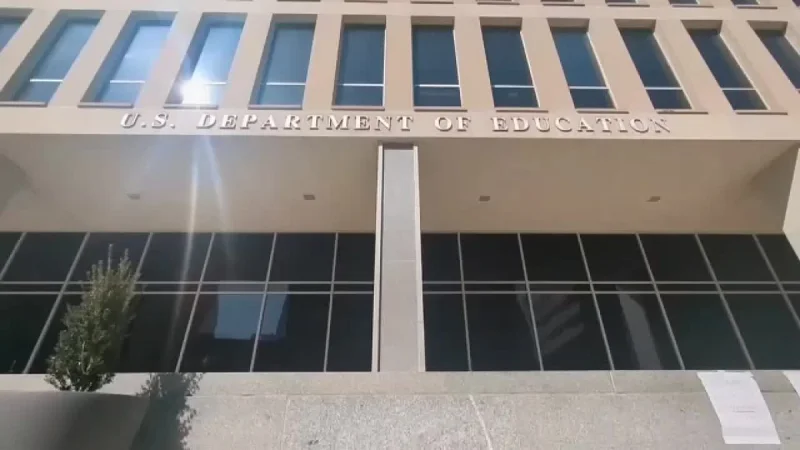
More than 4.2 million borrowers have fallen into default on their student loans since April 2025, a jump that shows how sharply the nation’s debt trouble has worsened as payments resumed and more households are struggling to keep up.
For Ashley Dreahn, the numbers turned personal this spring. She said she learned through a credit-monitoring service that her loans had ballooned to $94,298 with interest and that she was in default, after once believing bankruptcy had wiped the debt away. Dreahn, who enrolled at Texas Woman’s University in 2004 as the first in her family to go to college, said she later went back to school to try to qualify for a better-paying job after starting out as a teacher and earning degrees that she thought would give her more options.
That surge matters because default is not just a missed bill. Borrowers fall into default after nine months without payments, and once they are there, credit scores can take a hit and the debt can be sent to collections. Federal law also allows the government to garnish wages and Social Security payments from borrowers in default, a power that has made the issue especially fraught since the Trump administration in January walked back plans to begin collections on defaulted loans.
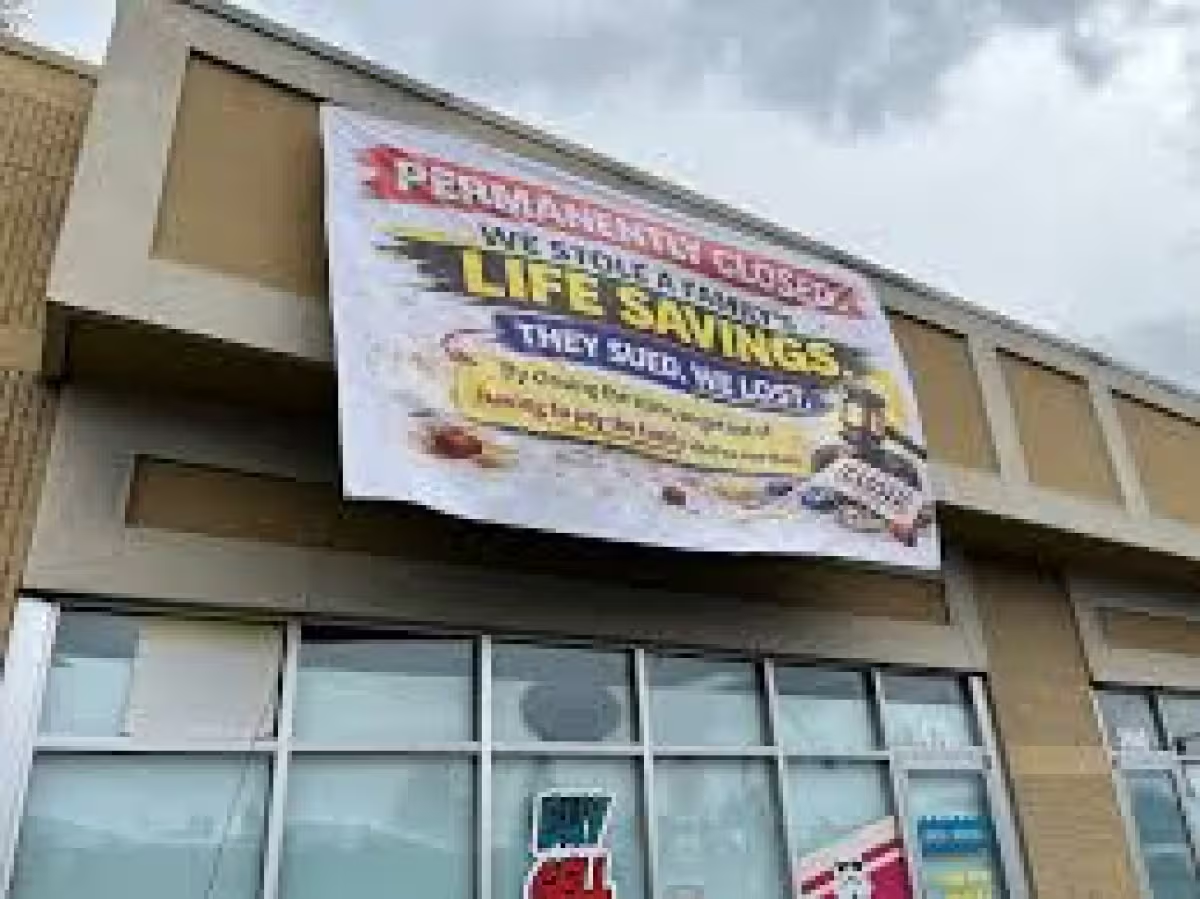
The pressure is not confined to people already in default. Millions of borrowers are also facing higher monthly payments as the government dismantles the SAVE plan, the most affordable income-driven repayment option. That combination has widened the strain across the loan system and left more borrowers exposed to falling behind long before they reach default.
Dreahn’s own path shows how easily that can happen. She filed for bankruptcy in 2022 in hopes it would erase everything, after years of trying to push herself into steadier work. She said she had once been offered a job at a chemical refinery, only to have the offer pulled because she was over the weight limit for the company’s safety equipment, a setback that added to the sense that every route forward had a catch.
There is also a quieter measure of how widespread the fallout has become: a Moody’s Analytics report this spring said garnishments are likely to begin within the next year. The exact timing is still unsettled, but the direction is clear enough. More borrowers are slipping into default, more are living with the threat of collections, and people like Dreahn are finding that debts they thought were buried can come back with interest and change everything all over again.