


Taco Bell said Tuesday it has voluntarily and temporarily removed some ingredients at select restaurants as a precaution during a cyclosporiasis outbreak. The move comes even as public health officials have not confirmed a link between the illness and Taco Bell, any specific supplier or any one restaurant.
The action landed just as Michigan health officials were still counting the toll. The Michigan Department of Health and Human Services said the state had recorded 3,309 cyclosporiasis cases since June 22, and at least 44 people had been hospitalized. For customers looking up Taco Bell Food news today, that is the reason the chain’s precaution is getting so much attention: it touched a national brand while the outbreak was still expanding.
Health officials in Michigan said Monday that lettuce or salad greens could be the source of illnesses in the state. On Tuesday, Donald Prate said the FDA was continuing its traceback investigation on multiple produce items, including lettuce. He said, “We are aware of the signal for lettuce that's been noted by our Michigan partners. What I can say at this point is that we're continuing our traceback investigation on multiple produce items, including the lettuce.”

Taco Bell Corp said, “The health and safety of our guests is our top priority,” and added that public health officials have not confirmed a link to Taco Bell or any specific ingredient, supplier, restaurant or retailer. The company said it had removed limited ingredients while authorities continue their broader review. That leaves the central question unchanged: not whether Taco Bell acted, but which ingredient, supplier or restaurant, if any, is actually tied to the illness.
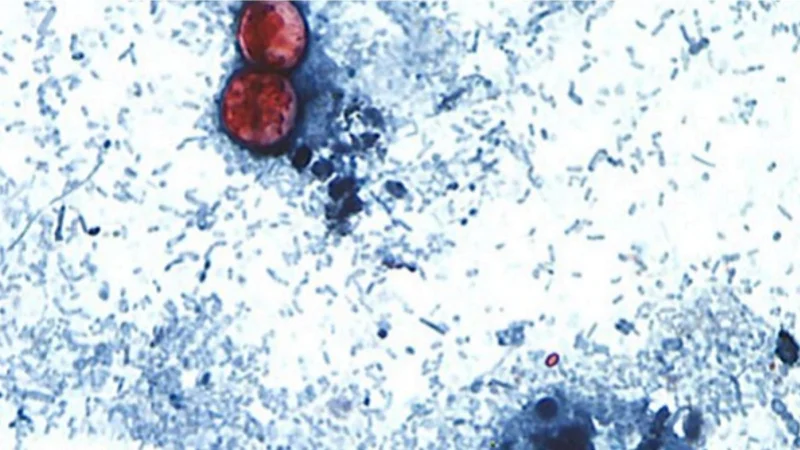
Cyclosporiasis is an intestinal illness caused by a parasite that usually spreads through food or water contaminated with feces. The outbreak was first identified on June 29, when the Monroe County Health Department announced it was investigating a cluster of cases. Michigan typically sees about 50 cyclosporiasis cases a year, and most of the reported illnesses have been in southeastern Michigan, including Wayne County.
The CDC also sent an alert to doctors on Tuesday warning of an increase in cases nationwide. Health officials have said the season usually runs from May 1 to Aug. 31, and they have warned that cases could keep rising in the U.S. through the end of August. That makes the next update less about the chain’s precaution than about whether traceback work can finally connect the outbreak to one of the produce items now under review.
