A large clinical study found that vagus nerve stimulation can bring long-lasting relief to some people with severe depression that had not improved after years of treatment. In the group studied, about 69 per cent of those who received active stimulation improved.
The research looked at 493 adults across the United States, all of whom had severe treatment-resistant depression and had already tried at least four different treatments without success. On average, each participant had gone through 13 treatments before joining the study, a sign of how far these patients had already gone in search of relief.
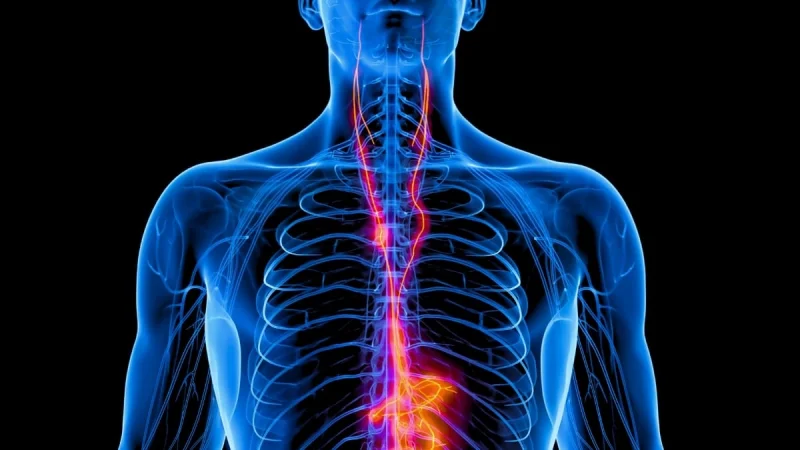
That is why the result is drawing attention now. Up to one-third of people living with depression do not respond to standard treatments, leaving a large group for whom the usual options can fail again and again. Vagus nerve stimulation, or VNS, uses an implanted device that sits beneath the skin in the upper chest and sends gentle electrical pulses along a wire to the left vagus nerve in the neck once it is switched on.

The study design, though, leaves a clear dividing line in the results. All of the participants had the device implanted, but during the first year only half of the devices were activated while the others stayed inactive and served as a comparison group. That means the study measured active treatment against inactive implants, not a uniform treatment across everyone, and the reported improvement reflects the people whose devices were actually switched on.
The paper, published in the International Journal of Neuropsychopharmacology, adds to evidence that VNS may help some people whose depression has resisted years of care. Depression can become a long-term illness that affects work, education, relationships and daily life, so even a treatment that helps a subset of patients matters when other approaches have already failed. Scientists still do not fully understand how the nerve stimulation eases symptoms, but this study suggests the benefit may last rather than fade quickly after the first months of treatment.
What remains unanswered is how long that relief holds once the active device has been running beyond the first year. The new findings support VNS as a possible option for people with the most stubborn forms of depression, but the next question is whether its gains can be sustained well enough to change care for a wider group.