


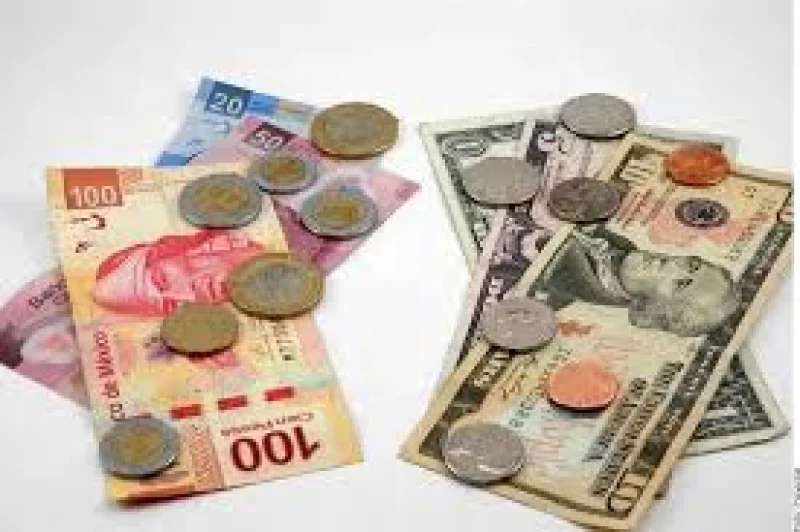
The Mexican peso started July 2 with gains against the U.S. dollar, pulling USD/MXN below 17.50 units and trading at 17.45 around 7:30 a.m. in Mexico City. The move left the local currency up 0.54% in a session that briefly ran between 17.43 and 17.57 pesos per dollar.
That is why traders were watching the pair so closely on Wednesday morning. A weaker U.S. labor report gave the peso fresh support at the opening, and the dollar index fell to 100.80 units, down 0.61%, as investors adjusted to the softer tone in the data.
Janneth Quiroz Zamora said the peso opened in a narrow range despite the dollar’s decline, then extended its advance after digesting the U.S. employment report. In her view, the rally also erased the previous session’s setback, showing how quickly the currency can recover when the dollar loses momentum.

The job figures were the trigger. U.S. nonfarm payrolls added 57,000 positions in June, well below the 114,000 expected, while May was revised down to 129,000 from 172,000. The unemployment rate eased to 4.2% from 4.3%, and initial jobless claims rose to 215,000 last week. For the market, the key point is not just slower hiring, but that the pace is now only barely enough to absorb new entrants to the labor force.
Quiroz Zamora said that makes the report look softer, but not necessarily like a warning sign of broad deterioration. She also said it does not materially change the market’s view that the Fed’s next move would still be a rate hike, even if the weak numbers push those expectations further out. That is the friction in the day’s move: the peso is stronger, but the market is not fully rewriting the Fed story.
The peso had already been under pressure in the previous session after Donald Trump’s government, through Jamieson Greer, rejected renewing the T-MEC at the start of the process to review the trade pact among México, Estados Unidos and Canadá, choosing annual reviews over the next ten years. On July 2, though, the immediate driver was the U.S. labor shock, and unless the dollar regains footing fast, USD/MXN is likely to keep trading on every new hint about whether the Fed’s next step comes sooner or later.
