


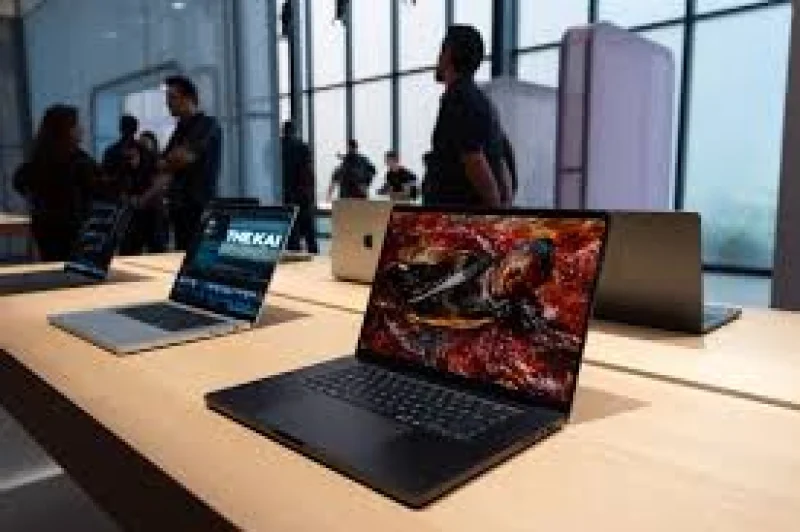
Alexandria Ocasio-Cortez reacted on June 27 to news that Apple may soon raise prices on phones and laptops, turning a routine corporate pricing move into a fresh political flashpoint. She answered with a blunt line that landed harder than any analyst note: “We need to break up these companies.”
The reaction is drawing attention now because the reported increase could hit some of the company’s most visible products, the phones and laptops that many buyers expect to stay within reach even when the broader market gets tighter. The price move was tied to a chip squeeze, a supply problem that can push costs higher before shoppers see the first changed sticker.

What matters is not just that Apple may be considering higher prices, but that the report does not make clear whether the increase is locked in or only possible. That gap matters for customers, because it leaves open two different outcomes: a near-term jump in what they pay, or a warning shot that Apple is still weighing its response to strained supply.
The broader context is a feed that was also carrying unrelated items on John Bolton in Greenbelt, Maryland, and on hot weather in Berlin. Against that noise, Ocasio-Cortez’s response stands out because it gives the pricing story a political edge and puts Apple back at the center of the fight over how much power large tech companies should have over what people pay.
If Apple does move ahead, the first question will be simple and immediate: how much higher will phones and laptops go, and which models will feel it first. Until that is answered, the story is less about a finished price change than about a company, a supply squeeze, and a lawmaker willing to use both to argue for breaking up the giants.
