


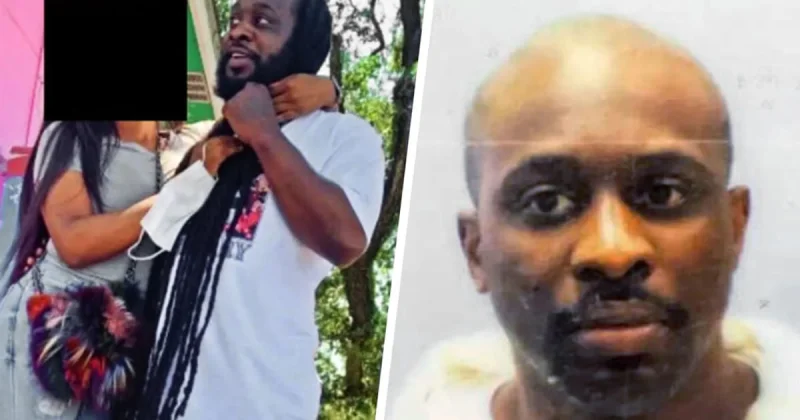
The Supreme Court on Tuesday ruled 6-3 against Damon Landor, saying he cannot seek damages under the Religious Land Use and Institutionalized Persons Act after Louisiana prison officials cut off his dreadlocks in 2020. The decision leaves his claim over the shaving of his hair without a damages remedy, even though the court did not dispute that he was mistreated.
Landor had been serving a five-month sentence on a drug-related charge when he was moved to the Raymond Laborde Correctional Center. He had not cut his hair for 20 years, following the Nazirite vow, and officers handcuffed him to a chair and shaved his head despite his protestations. For Landor, the case was about whether the law protecting religious exercise in prison carries any real remedy when officials cross the line.

That question mattered because RLUIPA reaches state and local prisons that accept federal funding, and Landor’s lawyers pressed the justices to say damages should be available under that law. They pointed to a 2020 ruling under the Religious Freedom Restoration Act as support, while Louisiana argued it should not be liable for damages because RLUIPA applies to federal, not state, officials. Lower courts sided with Louisiana before the case reached the Supreme Court.
Justice Neil Gorsuch, writing for the majority, said RLUIPA does not allow claims against individual officials. He said the only way the suit could move forward would be if those officials had consented to face liability under the federal law, adding that Landor’s case could not proceed against them any more than a breach of contract claim could proceed against someone who never formed a contract.
The state did not contest that Landor was mistreated, but the ruling still shut the door on his damages claim. Justice Ketanji Brown Jackson, dissenting, said RLUIPA was meant to ensure that state and local prisons respect prisoners’ right to religious exercise, and warned that prisoners like Landor who suffer violations of their religious freedom in state prisons will often be left remediless. Louisiana also said in court papers that the prison system has changed its grooming policy so other Rastafarian prisoners will not face the same situation. The ruling means the broader question now is not whether Landor was wronged, but what kind of remedy remains available when a prison violates a prisoner’s religious practice and the Supreme Court says damages are off the table.
