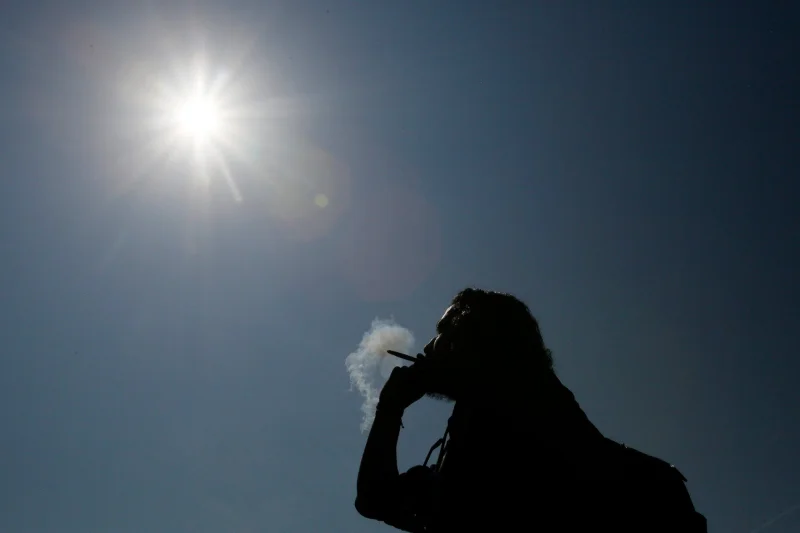
The Supreme Court narrowed the federal ban on gun possession by people who use illegal drugs on June 18, ruling that it cannot be used against an occasional marijuana user without evidence that the person is dangerous. In United States v. Hemani, Neil Gorsuch wrote for a unanimous court in a decision that could reshape how federal prosecutors pursue these cases.
That matters now because the ruling lands on a law that has been on the books for more than 50 years and still reaches marijuana, cocaine, heroin, methamphetamine and some prescription medications when they are used unlawfully. The national gun background check system denied more than 10,000 gun transactions in 2024 under that ban, so the court’s new limit could affect a large number of future cases, not just one defendant in Texas.

Gorsuch said the government cannot keep people from owning guns just because they occasionally use marijuana unless it can show evidence of danger. He rejected the idea that the law lets the government treat a broad class of drug users as automatically unsafe, warning against a theory that would give officials broad power to mark a group as dangerous and disqualify its members from having a gun. He also wrote that, in many respects, this case is a narrow one, a sign that the court was not wiping away the entire statute.
The narrowness is the point that will now drive the next round of fights. The opinion closes one route for prosecutors, but it does not erase the law itself. Andrew Willinger said the decision leaves open the possibility that the government can still prosecute unlawful drug users under the statute if it presents the right evidence. That leaves the hard question for future cases: what counts as enough proof that a person’s drug use makes them a threat to public safety?
For now, the answer is that occasional marijuana use alone is not enough. Prosecutors will have to do more than point to the statute and the drug user’s status; they will need facts tied to risk, intoxication or another showing that survives the court’s new standard. The ruling may also limit state efforts to enforce similar restrictions, but the federal law remains in place, and the fight from here is over how much evidence it will take to make it stick.