


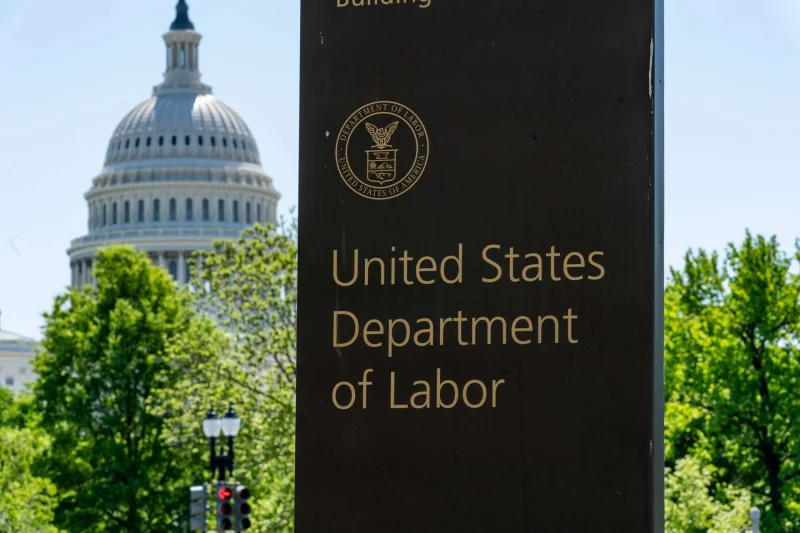
Keith Sonderling has warned 53 states and US territories that the United States Department of Labor could withhold unemployment insurance administrative funds if they do not move harder against fraud and abuse. It is the first time the department has threatened to cut off that money, and Sonderling said the agency is ready to use “every lever available” to protect taxpayer dollars.
The warning landed this week, and Sonderling discussed it on on Wednesday morning. The message matters because the money at issue is what states use to run their unemployment insurance systems. If the department follows through, states could be pressed to do more with less, just as they are being told to fix a problem that remains politically and operationally messy.
The department singled out California, New York and Illinois in its claims. It said California owes $20bn to the federal government for a loan during the Covid-19 pandemic, New York loses an estimated $2m a day in unemployment insurance fraud and improper payments, and Illinois had improper payments of $320m at a rate of 14%. Sonderling also said, “We are officially putting governors on notice,” and warned that states could lose administrative funding and then be unable to administer unemployment insurance because of fraud.

But the department did not provide data showing fraud in the systems it criticized. That gap matters because improper payments are not the same as fraud, and they are often blamed on antiquated technology instead of criminal conduct. The estimated improper payment rate across the US is 14.9%, while Florida is reporting 36.43% based on data from 2021 to 2024 and California’s rate is 16.85% over the same period. Those numbers show a serious problem, but not the clean fraud story the department is telling.
Michele Evermore said fraud has remained a problem since the start of the pandemic, but she argued that blaming governors is part of why it keeps going. She said states should be able to seek help from the United States Department of Labor instead of being blamed for the issue alone. Her point lands at the center of the dispute: states do not want fraudulent benefits paid to criminal actors, but they also say they need federal help, not a threat to the very funds that keep the system running.
For now, the unanswered question is whether the department will actually withhold the money it has put on the table. The letters were sent in May 2025, but Wednesday’s warning made clear that the Department of Labor is escalating from criticism to leverage, and the next move will determine whether this becomes pressure or punishment.
