


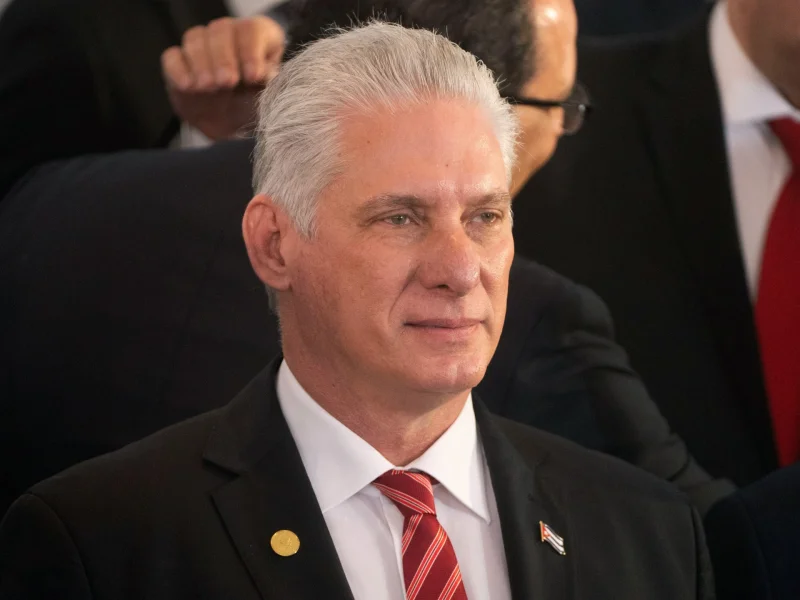
Cuba’s lawmakers approved 176 free-market reforms on Thursday in a unanimous vote that would cut back the state’s grip on the economy and open the door wider to investment. Prime Minister Manuel Marrero presented the package to the National Assembly in a landmark speech, and President Miguel Diaz-Canel closed the session with the warning: “Socialism or death!”
The vote was more than symbolic. The measures, described as nearly 200 reforms, would let foreign investors avoid joint ventures with the state, authorize large private enterprises and allow Cuban and foreign investors to buy stakes in state companies. They are aimed at banking, tourism and agriculture, three areas that have been squeezed by a deepening crisis. For Cubans, this is not an abstract policy shift. It lands while power cuts can last more than 30 hours, while food, fuel, drinking water and medicine remain in short supply, and while the island is still struggling to keep basic services moving.

That urgency helps explain why the government is moving now. Diaz-Canel said on Wednesday that urgent changes were needed to stave off economic collapse, and Marrero said the country had to act to “preserve” what remains of the system. The reforms are being presented as a response to obstacles the leadership says are both internal and external. Cuba has long blamed its troubles on a more-than-six-decade United States trade embargo, and the pressure has sharpened since January, when Trump imposed an oil blockade after his ouster of Cuba ally Nicolás Maduro in Venezuela. Only one oil tanker from Russia has docked in Cuba since the beginning of the year.
The contradiction is hard to miss. Diaz-Canel insisted the government was not moving because of pressure from the Yankees, even as the reforms come amid relentless pressure from the United States and shortages that have made the crisis impossible to ignore. Volker Turk has warned that children are dying in Cuba because of a shortage of medical supplies and medication, and the human cost hangs over every promise of reform. Daniel Torralbas called the package “the most profound” since the 1959 revolution, and that is the standard it will be judged against.
What happens next is the question left hanging by the vote. Marrero did not give a time-frame for implementation, so the reform package now exists as a promise and a test: whether Cuba can loosen enough of its own system to keep it from breaking, without losing control of the one thing its leaders say they still want to preserve.
