


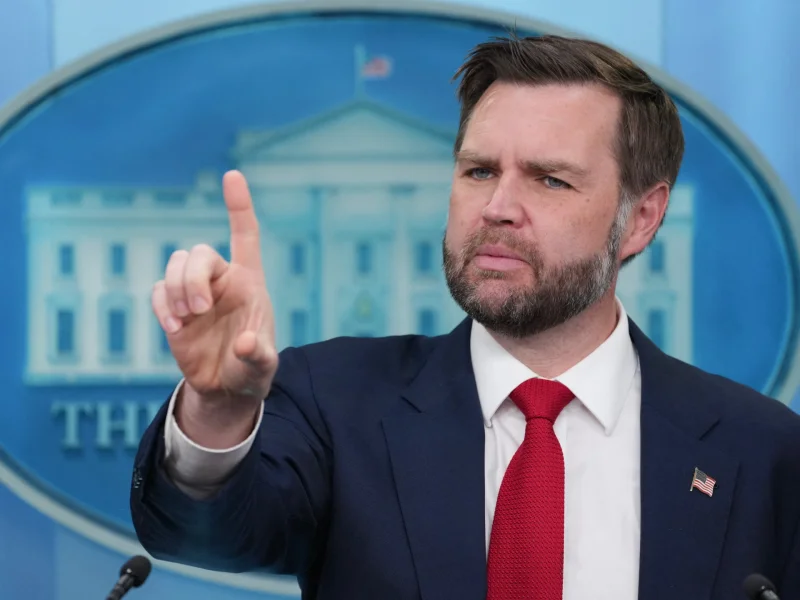
JD Vance defended the memorandum of understanding to end the US-Israeli war with Iran on Thursday, telling Israel it could not solve every security problem by force and urging leaders to let negotiations play out. His comments came a day after Donald Trump and Pezeshkian signed the deal.
The vice president said the agreement is meant to lock in the gains the Trump administration says the war already delivered: Iran’s nuclear capacity was degraded, its conventional military was set back and its economy was weakened. He said negotiations could begin as soon as the weekend, putting the deal on a fast track that now has critics in both parties watching what comes next.
The memorandum goes beyond a cease-fire. It opens the Strait of Hormuz, lifts the US naval blockade of Iranian ports and includes immediate sanctions waivers on Iran’s fossil fuel industry. It also pledges to end fighting on all fronts, including in Lebanon, making the arrangement broader than a simple pause in combat and more like a first step in a reshaped regional order.

Vance used the interview with to press the case that Israel should give the United States more credit for what it has done. He pointed to Bezalel Smotrich and Itamar Ben-Gvir while criticizing the approach he said had treated military force as a cure-all, and he framed the choice facing Iran in stark terms: if its behavior does not change, its military and nuclear program remain destroyed; if it does, relations across the Middle East could transform.
That is exactly where the friction lies. Several top Democrats and a handful of Republicans say the initial agreement appears to favor Tehran, while Vance called the outcome a win for the American people and the president regardless of what Iran chooses next. Trump, for his part, has already signaled a harder line on Israel’s conduct in the war, saying too many people have been killed and warning against flattening apartment houses in search of one target.
The immediate question is not whether the deal exists. It does. The question is whether the sanctions waivers, the maritime changes and the promise to stop fighting on multiple fronts will hold long enough for weekend talks to start with anything left to bargain over.
