


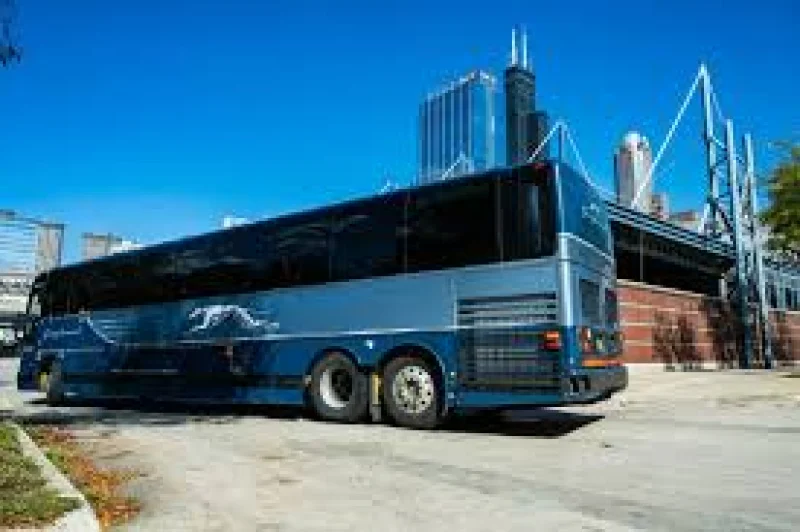
Chicago City Council approved a $19.2 million deal on Wednesday to buy the Greyhound bus station at 630 W. Harrison St., moving the long-running terminal toward public ownership after years of uncertainty. The 38-10 vote also expanded the Canal/Congress Tax Increment Financing district to cover the site.
The vote matters because the station handles about 500,000 passengers a year, and the deal keeps open a terminal that has served intercity bus riders since the late 1980s. For travelers who rely on affordable transportation, the building on Harrison Street is more than real estate; it is one of the few indoor places to wait, board and transfer without having to stand outside in the weather.

The city’s purchase price is only part of the plan. Chicago has also budgeted another $30 million for repairs, a figure that still needs City Council approval, which means the final public cost will be higher if the project advances as laid out. The building is currently on a month-to-month lease with Alden Global Capital after the long-term lease expired last year, so Wednesday’s vote gives the city a way to control a property it was otherwise renting on short notice.
That urgency was a major reason the measure passed even after some alderpeople argued the city should not be buying property at all. Ald. Marty Quinn said Chicago should be selling property, not buying it, and questioned whether the city had the finances to pump tens of millions more into the effort. But Ald. Jason Ervin said the city has an obligation to protect transportation access for people who cannot afford or easily use airports, while Ald. Bill Conway said doing nothing could leave hundreds of thousands of passengers without an indoor terminal.
Conway said he was initially one of the project’s biggest skeptics, but came around after meetings with neighbors and city departments. He argued that nearly half a million riders should not be ignored simply because they are not a politically powerful group, saying they do not have lobbyists or make campaign checks. The practical question now is not whether Chicago wants the station, but how it will run it once the purchase closes and the repair money is approved. That operating plan has not been laid out publicly, and it will determine whether the city has merely saved the Greyhound terminal or actually stabilized it for the people who depend on it.
