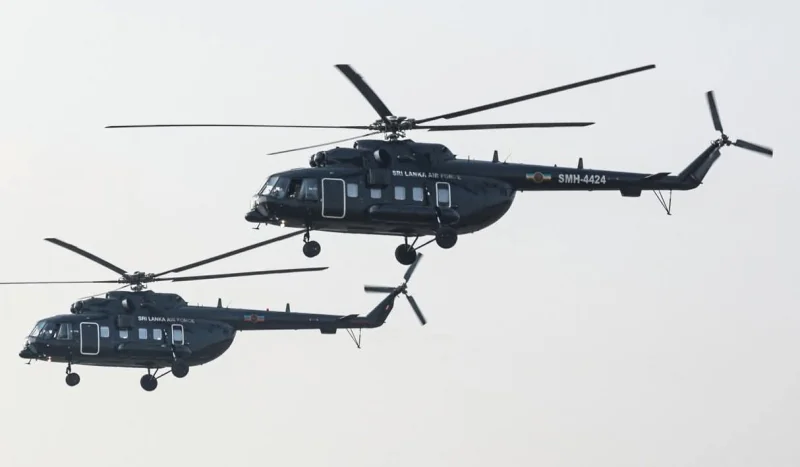
Iran’s Red Crescent Society signed a new Memorandum of Understanding in Moscow for 20 Mi-8/17-series helicopters, a deal that puts fresh rotary-wing capacity on paper for rescue and humanitarian work. The agreement was signed by Pirhossein Kolivand and Nikolay Kolesov.
The timing matters because Iranian officials say the aircraft are meant to expand emergency aviation capability before the Persian New Year deadline in March 2027. The helicopters are to be fitted with night-vision systems, firefighting modules, medevac equipment and search-and-rescue configurations, giving the fleet a broader mission set than a single-purpose purchase.
For Kolivand, the agreement lands after reported February 2026 strikes that damaged more than 81,000 civilian structures across Iran and destroyed or disabled at least three IRCS-operated helicopters. That damage sharpened the need for lift, especially for an organization that has to move fast when roads are cut, infrastructure is damaged and time is measured in minutes rather than hours.

The new memorandum also sits on top of an older line of procurement. In 2024, Iran was linked to another deal reportedly worth approximately USD500 million for between 12 and 15 Mi-8/17-series helicopters configured for rescue and firefighting missions. It is not clear from the new agreement whether that earlier order has been completed, which leaves the size and pace of Iran’s actual fleet buildup an open question even as the latest paper agreement adds 20 more aircraft to the plan.
That gap is what makes the deal more than a routine equipment notice. Iran already operates dozens of Mi-17, Mi-171 and Mi-8MTV-series helicopters across military, police and civilian emergency-response organizations nationwide, so this is not a first step into the type. It is an attempt to deepen a helicopter network that has already become part of Iran’s response system, while Russia and Iran continue to build aviation ties under sanctions pressure and regional instability.
Russian Helicopters also signed another Memorandum of Understanding with Iran’s Industrial Development and Renovation Organization on potential local assembly of Ka-226 or Ansat light helicopters, a sign that the two sides are pushing cooperation beyond single purchases. The question now is not whether the paper trail will grow, but how quickly the aircraft tied to it can be delivered, equipped and placed into service before March 2027.