


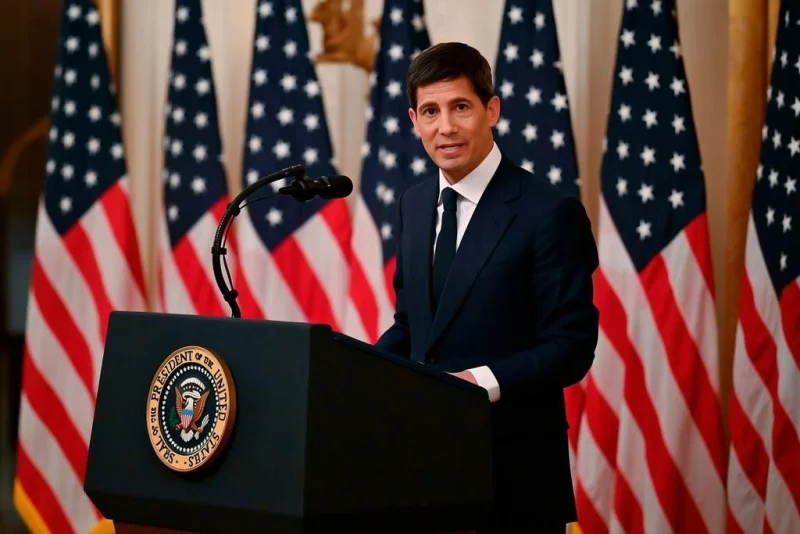
Kevin Warsh opened his first Federal Reserve meeting as chair on June 16 with the market already expecting the FOMC to leave interest rates unchanged when it wraps up Wednesday, June 17. Wall Street is now waiting to hear how he handles his first post-meeting press conference.
The timing gives the meeting unusual weight even before the statement is released. The Dow Jones Industrial Average closed above 52,000 on the first day of the meeting, while tech stocks slumped and dragged on the S&P 500 and the Nasdaq Composite. The 2-year Treasury yield also eased to 4.056% from 4.064% on Monday, a sign that bond traders were leaning into the view that nothing immediate is coming on rates.
That expectation matters because high energy prices are still feeding inflation, yet CME FedWatch shows almost zero chance of a rate cut tomorrow. In other words, the FOMC is being asked to hold steady even as price pressures stay alive. Investors are less focused on the decision itself than on whether Warsh uses the press conference to signal anything about the path ahead.
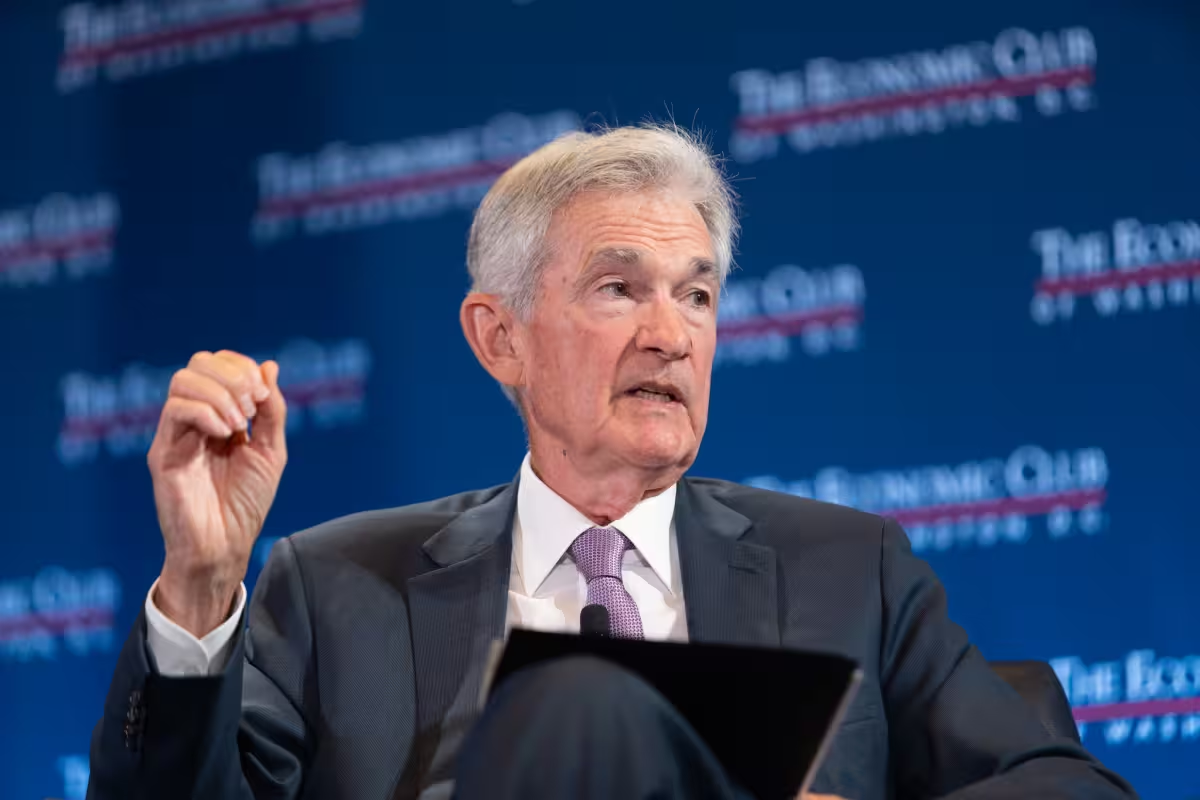
That is where his own record comes into play. Warsh has criticized press conferences and forecasting, and Nick Timiraos has written that for more than a decade he has argued the Fed should say less. Timiraos also noted that how much a central bank reveals about its thinking shapes mortgage rates, markets and the cost of borrowing for everyone. For Wall Street, the question is not whether the Fed moves this week. It is whether Warsh tries to change how the Fed talks.
Louis Navellier said the tone could matter as much as the policy decision itself. If Warsh is seen as more dovish than expected, he said, stocks could rally. If he sounds hawkish, volatility could pick up. Navellier added that what Warsh wants to do with the Fed's balance sheet may be even more interesting than the rate call, because any hint of change there would tell investors more about the central bank's next phase than the unchanged rate decision will.
That leaves Wednesday's press conference as the real event inside the event. The FOMC is expected to confirm no change in rates, but Warsh's first appearance as chair will be measured sentence by sentence for clues about whether he intends to speak less, reveal less, or redraw the boundaries of Federal Reserve communication from here.
