



Stocks that had surged after the peak of the US-Iran conflict ran into selling on May 19, 2026, as investors struggled to extend the relief rally that followed news that planned US military attacks on Iran were halted. By 11:02 ET, the market’s earlier momentum had started to fade, and by 11:05 the picture showed a shift toward rebalancing and profit-taking in semiconductors, technology and the Magnificent 7.
The pullback hit the s and p 500 and Nasdaq at a moment when markets were still trying to digest the end of the most immediate fear around the conflict. Traders had pushed stocks higher after the threat of direct escalation eased, but that bid was not strong enough to carry the advance through Tuesday’s session. Semiconductor giants were among the names giving back ground, and the broad rally that had carried the Nasdaq and S&P 500 since early April was beginning to break down.
That mattered because the move was not just about one day of trading. Higher bond yields were adding pressure to equities at the same time investors were recalibrating expectations for the Federal Reserve after Kevin Warsh was confirmed as the next chairman. Warsh is likely to reduce the central bank’s balance sheet, a prospect that fed the sense that financial conditions may stay tighter even if the immediate geopolitical risk had eased.
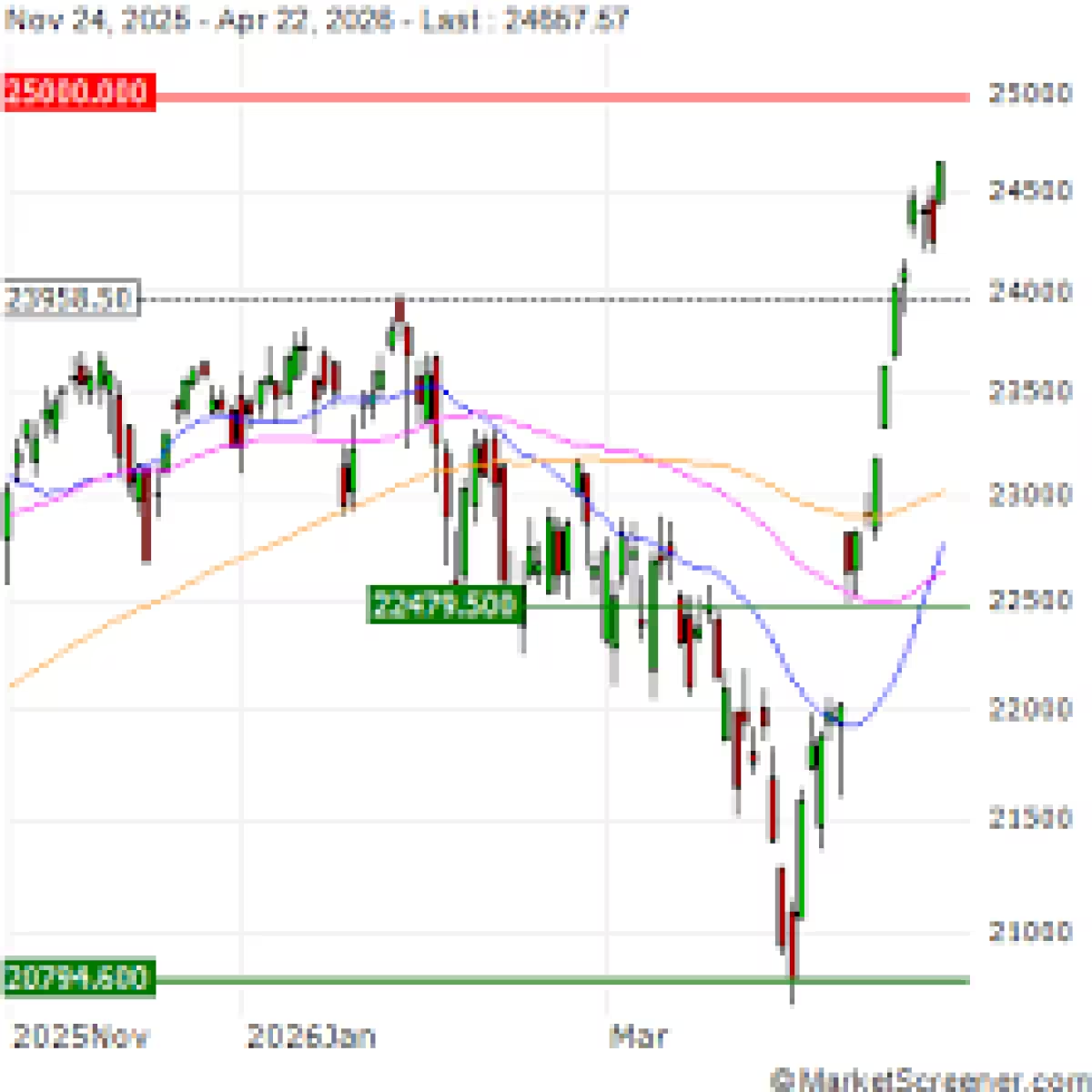
The market was still far from a deep selloff. The correction remained quite contained on May 19, 2026, and the Dow Jones held a solid range between 49,000 and 49,900 as healthcare stayed the most bid sector. That resilience made the Dow look steadier than the Nasdaq and S&P 500, which were more exposed to the retreat in high-growth technology shares and the rotation out of the names that had led the rebound.
The tension in the tape came from the gap between what had lifted stocks and what was now weighing on them. The relief rally had been built on the idea that the worst of the Iran scare was over, but the geopolitical backdrop was still unresolved. The US President had said in effect that he could potentially lean back into attacks on Iran, and that kept a floor under risk aversion even as traders stepped away from the most crowded winners.
The Nasdaq was the clearest warning sign. It was embarking on a more significant pullback and forming a bear channel in its latest action, a sign that the strong upward trend from early April was losing traction. For now, the broader market was still holding together, but Tuesday’s action showed that investors were no longer willing to pay up for the same defensive growth trade that had powered the rally just weeks earlier.
