


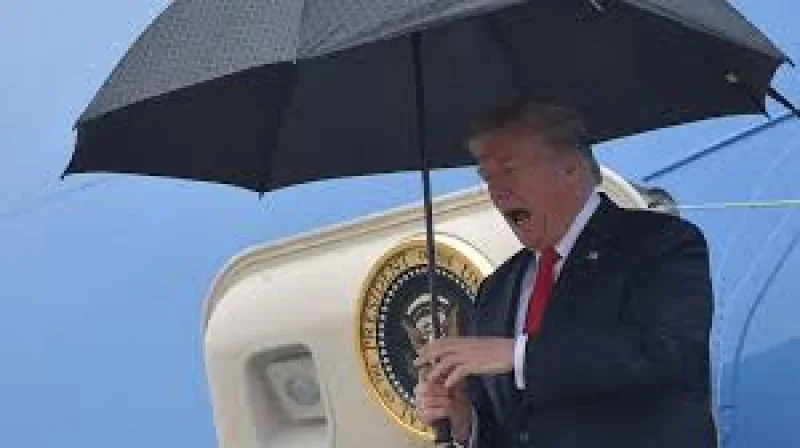
The Weather Channel’s forecast for the White House UFC event on Sunday triggered a sharp public fight after the White House’s Rapid Response account called the forecast fake weather reports. The network had warned of a 60 percent chance of thunderstorms, heavy downpours and wind gusts up to 34 mph.
The post landed because it was tied to a live event and a live forecast, not a distant possibility. The Weather Channel warned of heavy rain, potential thunderstorms, heat and humidity for the event, and the White House answered on X by calling the network a friendless loser and dismissing the warning as b—shit clickbait. That reaction put a routine forecast into the middle of a political argument in real time.
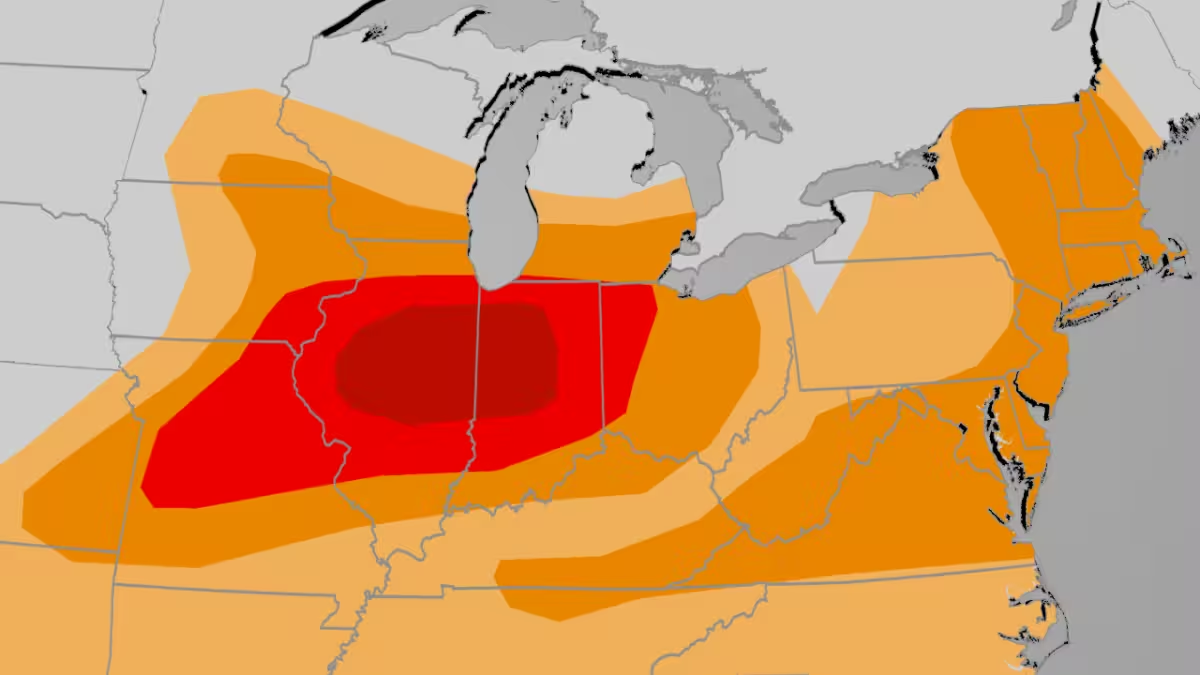
The forecast itself was not out of line with what was happening around the region. The National Weather Service issued severe thunderstorm watches, DC forecasters including Capital Weather also alerted people to severe weather, and lightning was reported Sunday night. Scattered showers and potential thunderstorms were in the forecast for the UFC event, and some places got wet while others did not.
That is what gave the White House attack its weak point. The complaint implied the forecast was meant to discourage attendance, but the weather picture was already serious enough that other forecasters were flagging it too. Matthew Cappucci pushed back on X by comparing the reaction to burning down the Olive Garden because you do not like olives or declaring war on T.J. Maxx because a coupon would not work at Macy’s.
This was not really about one tweet. It was about how quickly weather reporting can be turned into a political target when the forecast touches a public event, even though the same kind of warning can shape an outdoor wedding, a harvest season, a morning commute, a Little League game or Fourth of July fireworks. The next question is not whether the storm threat existed; it did. It is why the White House decided a forecast matching watches and lightning was worth treating as an attack at all.
