


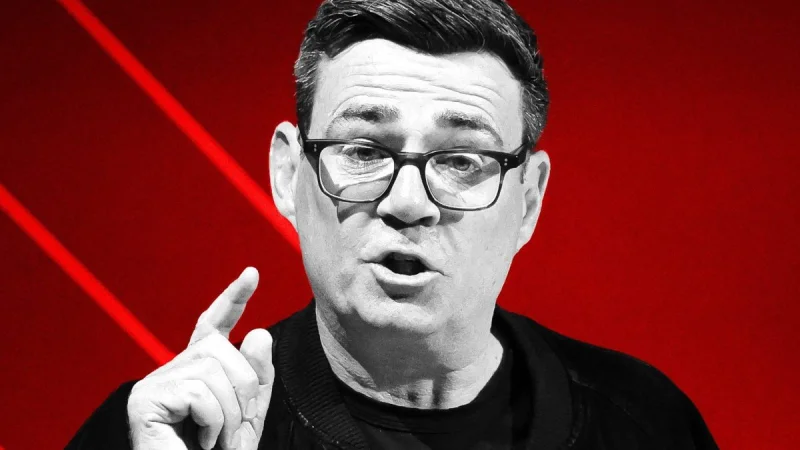
Andy Burnham said he would consider cutting some employers’ national insurance contributions and proposed a 20% business rates cut for pubs, clubs and music venues next year, putting fresh pressure on Labour’s small-business line during the Makerfield byelection. He said the burden on employers’ national insurance was not the right decision and argued that his party had got it wrong in government.
The timing matters because Burnham is not floating abstract politics here. He said he wanted to reconsider the increase in employers’ NICs brought in at the 2024 budget, while his team on Friday released a policy statement pledging help on business rates. The move gives the campaign a sharper edge just as Labour is trying to hold together support from the hospitality and retail firms that have felt squeezed by recent tax changes.
Under Burnham’s plan, smaller, independent hospitality, leisure and retail companies would also see the threshold for paying business rates raised for the first time since 2017. He said many of those businesses would be taken outside the scope of the tax, with a taper system designed to avoid a payments cliff edge. That would mean the relief is not limited to headline names on the high street; it reaches the owners of pubs and family-run shops that often feel every change in rates first.
The funding pitch is just as pointed. Burnham said the cuts would be paid for by higher levies on giant warehouses operated by online firms such as Amazon and by targeting the owners of empty high street properties. He said Labour had undervalued the contribution these businesses make to livelihoods and communities, and added that he was hearing from people who felt they were already at the limits of what they could do.
That is where Burnham’s intervention goes beyond his earlier caution. He had been wary of discussing concrete policy decisions or moving beyond the Labour manifesto, but this is a direct challenge to the party’s current approach. Burnham said he was willing to be honest about where Labour had fallen short and that family-owned businesses, which he described as the heart and soul of the country, needed protection if they were to thrive.
The backdrop is already charged. In November, Rachel Reeves’ budget triggered a backlash in the hospitality sector over changes to business rates, and the sector warned about closures and job losses. The Treasury later announced a 15% cut to business rates for pubs in England from 1 April and a real-terms freeze for a further two years, but UKHospitality said most members still expected to pay more and warned that a higher minimum wage could still force job cuts.
Burnham’s proposal does not yet define Labour policy, and that is the point. He has moved from criticism to a concrete alternative that would shift costs away from small firms and onto larger warehouse owners and empty properties. Whether Labour adopts any of it will decide if this is a local campaign flourish or the start of a wider fight over how the party wants to treat small business.
