


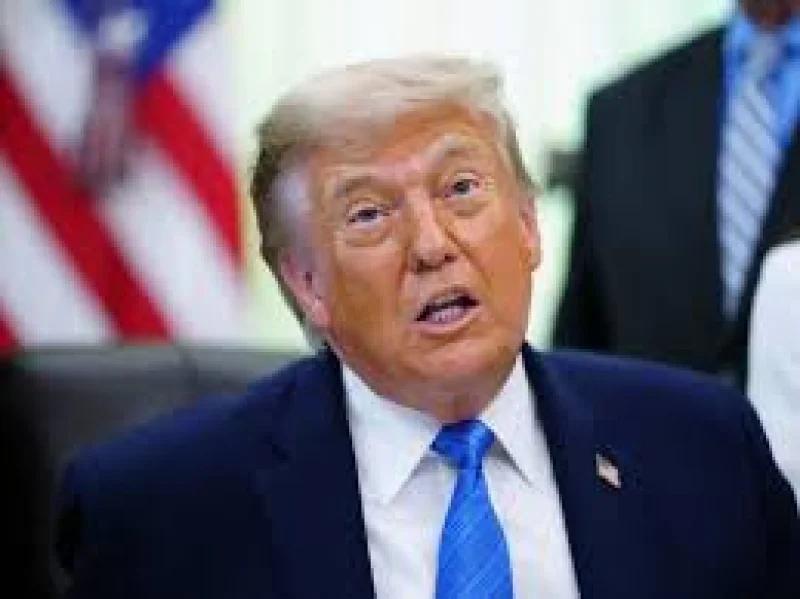
Donald Trump said a deal to end fighting between the US and Iran is scheduled to be signed on Sunday, a claim that would put the next step in a fast-moving, still-fragile effort to stop the war. He said the Strait of Hormuz would open to all once the agreement is in place.
The timing matters because the Strait of Hormuz is one of the world’s most sensitive shipping lanes, carrying oil and liquefied natural gas through waters that could be affected within hours if the deal holds. Shehbaz Sharif said Pakistan was preparing for the electronic signing of the peace deal within the next 24 hours, underscoring how close the process was being treated even as the date remained unsettled.
Seyed Abbas Araghchi added on Friday that a deal with the US was close and said it would cover an end to the conflict between Israel and Hezbollah in Lebanon, the reopening of the Strait of Hormuz and the lifting of a US blockade of Iranian ports. US officials said any economic benefits for Iran would depend on Tehran meeting its obligations, showing that the agreement was not being presented as a blank check.
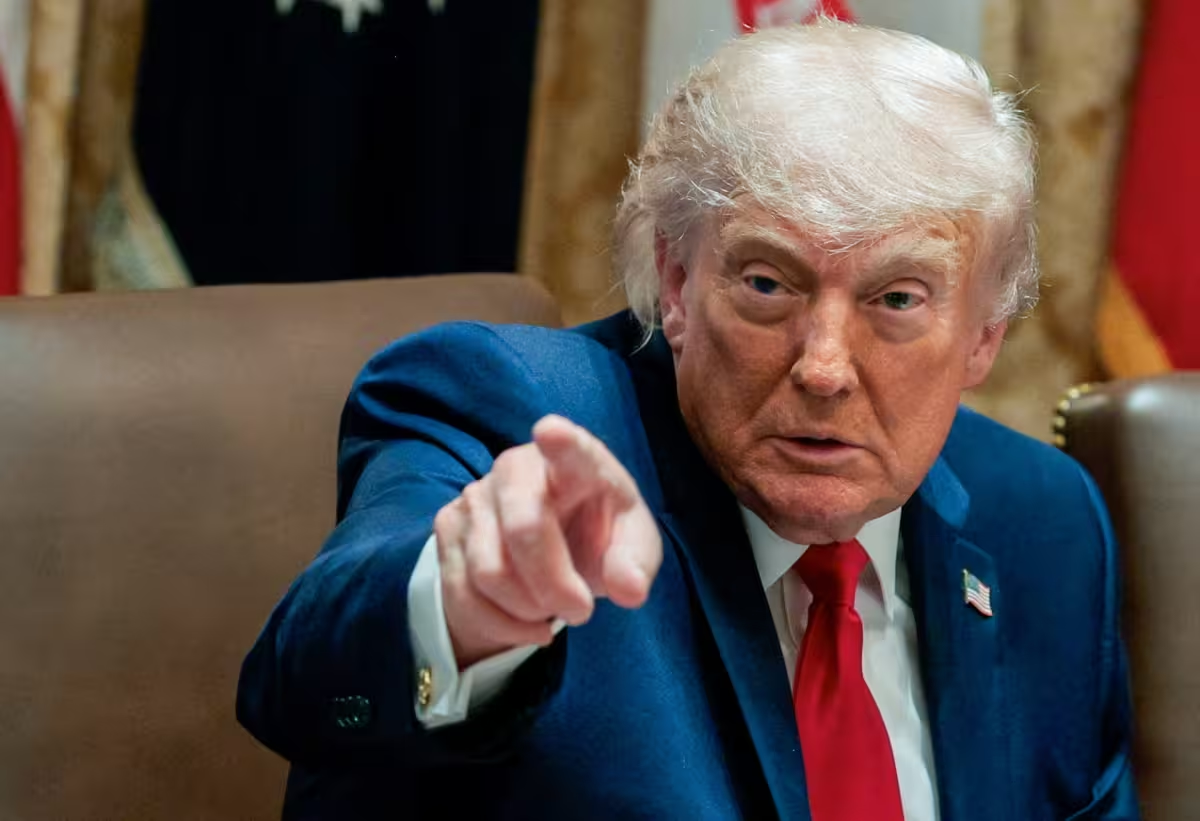
That is where the public claims begin to diverge. Esmaeil Baghaei said it would not be tomorrow and that the exact date of the memorandum of understanding still had to be seen, a direct hedge against Trump’s Sunday timeline. The language matters because a deal can be described as close without being ready, and recent versions had reportedly been expected more than once in recent months before falling short in later stages.
The wider backdrop is a war that began with US and Israeli strikes across Iran on 28 February, after which Iran attacked Israel and US-allied states in the Gulf. Iran has long been accused by Western countries of seeking a nuclear weapon and has denied it, which is part of why any arrangement tied to shipping, ports and sanctions relief carries consequences beyond the immediate fighting.
For now, the key question is not whether the sides want an agreement, but whether the electronic signing happens on the schedule Trump described. If it does, technical-level talks next week would be the first test of whether the paper deal can survive contact with the obligations both sides are still setting out.
