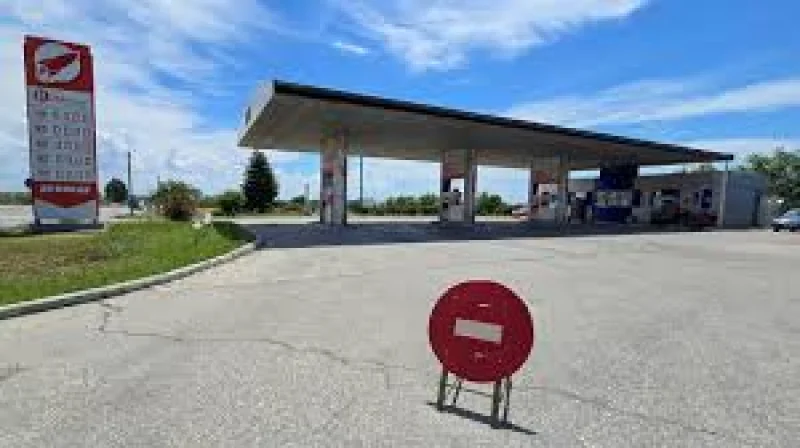
Fuel is now being rationed across Russian-occupied Crimea, with motorists at many petrol stations limited to 20 litres each if they can buy fuel at all. The squeeze is the latest sign that Ukraine’s sustained drone campaign is cutting into Moscow’s supply lines on the peninsula.
For people trying to move around Crimea, the shortage is no longer an abstraction. Videos show long lines outside petrol stations, residents say they are waiting up to 10 hours to fill up, and Russian tourists who arrived before the crisis are struggling to find enough fuel to get home. At the vast majority of stations, the limit is set at 20 litres, or about 4 gallons, usually handed out with prepaid vouchers.
The problem matters now because the peninsula is running short during the height of the summer season, when traffic is heaviest and pressure on fuel is most visible. The shortages are also showing up in prices, with reports of sharply higher petrol and diesel costs as the supply gap widens.
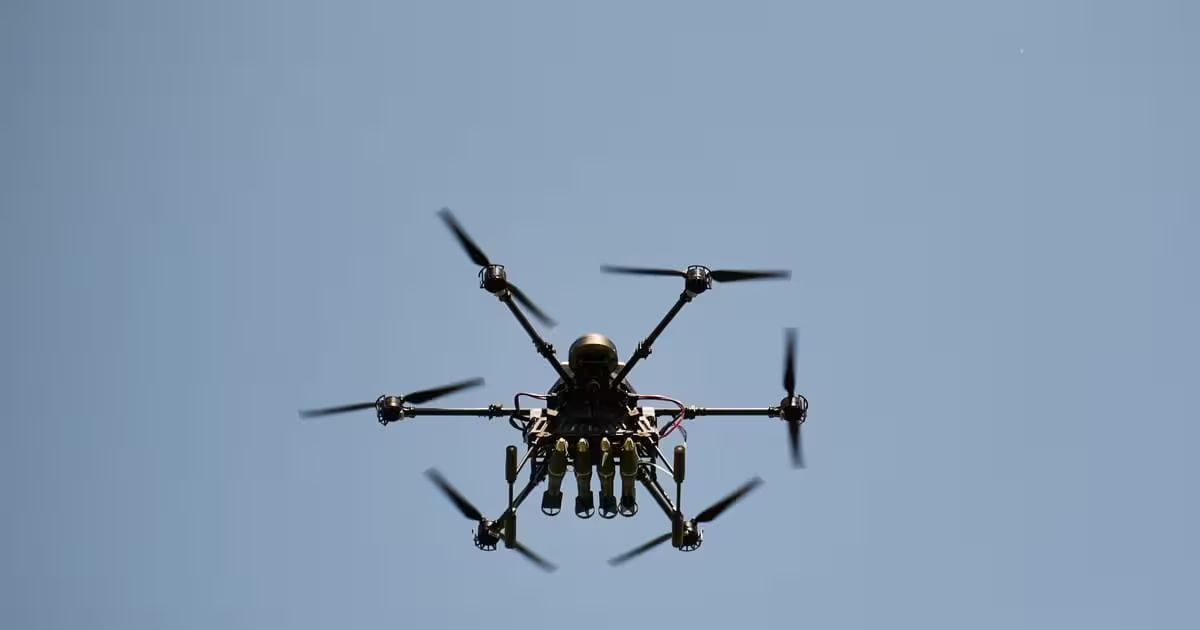
Ukraine’s strikes have been aimed not just at fuel depots but at the roads that carry military and civilian supplies into Crimea. Recent hits on a key motorway and bridge linking Rostov to the peninsula via occupied Mariupol have further strained logistics. Clément Molin said that route is “the backbone of Russian occupation in the south,” and said Ukraine had carried out 300 drone strikes on trucks, including 30 tankers, since the start of May.
That campaign, Molin said, became more intense this month. Robert Brovdi said military cargo traffic on the road fell by 71% between late May and early June, a figure that helps explain why the shortages have become so severe so quickly. But the fuel crunch is not the result of one set of strikes alone. It was already being driven by long-range attacks on Russia’s oil refineries, and the disruptions in Crimea now sit on top of an existing problem rather than replacing it.
Crimea has faced logistical pressure for years, but the latest shortages hit a place Moscow has treated as strategically central since its illegal annexation in 2014. Russia has used the peninsula to launch drones and missiles at the rest of Ukraine, while also relying on it as a popular summer destination for Russian holidaymakers. That combination makes the fuel lines more than a nuisance: they cut into both military movement and ordinary travel in a region where mobility is now being tightly controlled.
Local Moscow-installed authorities have opened a special hotline for tourists trying to leave, but no one has said when normal distribution will return. Until then, the peninsula’s motorists are left with a hard limit, long queues and a growing sense that Crimea’s fuel problem is not easing any time soon.