


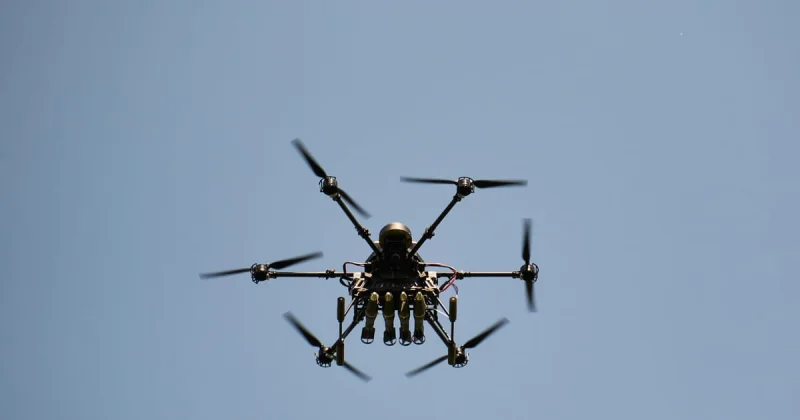
Ukraine has stepped up AI-guided drone strikes on Russian supply convoys moving food, fuel and ammunition along critical roads in occupied southern Ukraine, and the pace picked up sharply in the past week. Verify confirmed footage of at least 14 incidents, including one south-west of Melitopol and at least 10 between Russia’s border and the occupied city of Mariupol.
The attacks matter because those roads are not side routes; they are part of the military supply line that feeds Russian forces on the front line and in Crimea. On Wednesday, Ukraine’s digital transformation minister, Mykhailo Fedorov, said the logistics lockdown strategy was meant to increase pressure on the Russian military in the rear and deny it the ability to conduct sustained offensive operations.
Fedorov’s comments landed at a moment when the strikes are no longer just isolated battlefield clips. Ukrainian Hornet drones are now being trained by an AI-targeting system built on thousands of hours of video of Russian military targets gathered over the last four years, and the drones can also tap into the Starlink satellite network. That combination has helped push the strikes farther from the front and, in the view of Ukrainian officials, made them more precise.
The effect is already visible. Clément Molin said he had confirmed the destruction of 150 vehicles more than 20km from the front line, a sign that Russian logistics vehicles are being hit well behind the immediate battle zone. Analysts say the convoys on those routes are especially important because some brigades need up to 1,000 tonnes of fuel, food, ammunition and other key supplies every day.
But Russia is not standing still. Cristian Vlas said Moscow has responded by shortening convoys as a quick coping mechanism to reduce potential damage, even as the routes remain vital to its war effort. He said those supply lines are important to Russia’s image of grand power and, more practically, they feed, fuel and inform Russian units at the front line while also supporting long-range drone and missile strikes from occupied territory.
That adaptation may blunt some damage, but it does not remove the problem. Robert Tollast said the new mix of small AI drones hitting ammunition trucks 100km or more from the front and longer-range drones striking larger logistical sites is something else, calling it a very serious problem for the Russians. The question now is how long Moscow can keep shrinking its convoys before the pressure on occupied southern Ukraine and Crimea starts to show up in the fighting itself.
