


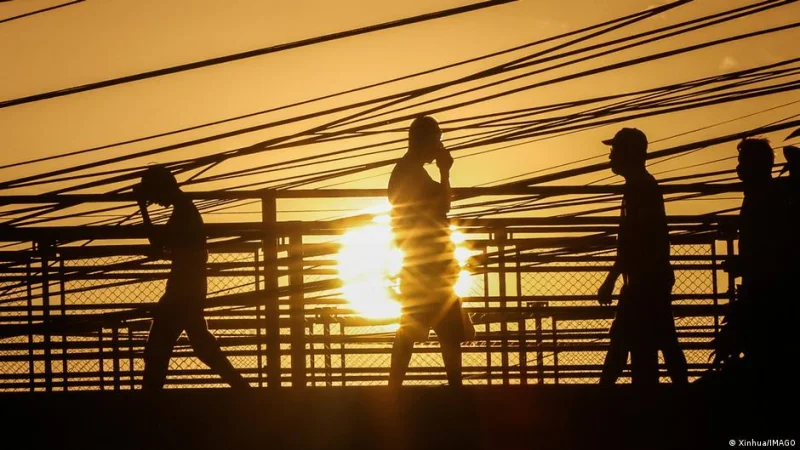
A potentially powerful El Nino is taking shape in the Pacific Ocean, and forecasters say it could rank among the strongest on record. The World Meteorological Organization expects El Nino conditions to emerge soon and last at least into winter, putting a fast-moving weather shift on the map for countries far beyond the tropical Pacific.
That is why people are searching now. A developing El Nino can redraw weather patterns within weeks, and its effects can ripple through Central America, Asia, Africa, Australia and the Pacific coast of South America. In Honduras, authorities estimate around 75 municipalities could face severe drought conditions, and Tegucigalpa has already declared a water emergency.
Paul Roundy said there is real potential for the strongest El Nino event in 140 years, a level of strength that would put this year in rare company. Brian Tang said the waters are beginning to warm in the central and eastern tropical Pacific, the early signal forecasters watch as trade winds weaken and warm water builds across an area about the size of the continental United States. When that happens, El Nino can flip some regions hotter and drier while bringing torrential rain to others.
That natural pattern is also the part that makes this one harder to dismiss. Antonio Guterres warned that El Nino conditions will pour fuel on the fire of a warming world, and scientists say the added heat could intensify drought and fire risk across Australia, Canada, the United States and the Amazon rainforest. Even where rain arrives, it can arrive as damage: along parts of South America's Pacific coast, El Nino has brought destructive flooding, and in the past it has been tied to crop failures and economic losses running into the trillions.
The 2015-2016 El Nino left millions of people around the world needing food assistance after poor harvests, a reminder that the worst effects are often measured in empty markets and strained water systems, not just weather maps. It also helps explain why this year's Atlantic hurricane season is expected to be less active than average, since El Nino tends to increase wind shear over the Atlantic and make storms harder to form and strengthen. Forecasters may soon know whether this event becomes merely strong or truly historic, but the first signs are already there and the clock is now running toward winter.
