


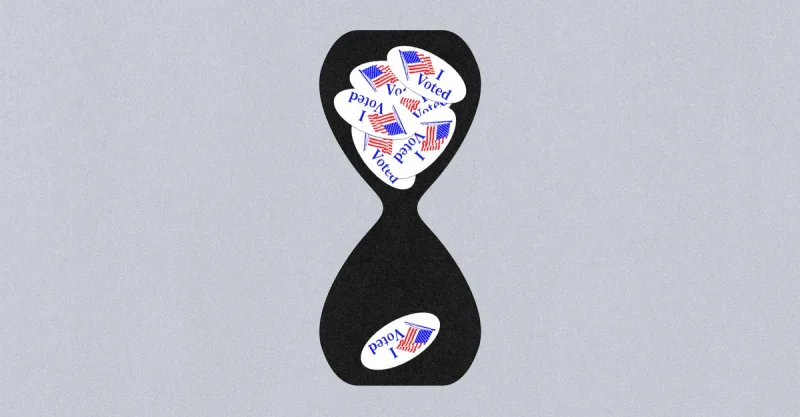
California’s slow vote count is back under a bright political light after President Donald Trump renewed his attacks on the state’s elections last week, prompting federal observers to watch Los Angeles County and raising fresh fears that the November count could become a target. The state’s pace has long frustrated rivals, but this time it is being read through a harsher lens: not just as a delay, but as a possible opening for fraud claims to spread.
The reason people are searching for the reasons for slow california counting now is simple. In California, it took a full week after ballots were cast in the primaries to learn which candidates had been nominated for governor, and several days to sort out who would advance in House races. Most Californians vote by mail, and the state accepts ballots that are postmarked by Election Day and arrive up to a week later, which means the final tally keeps moving long after polls close.

That slow finish has real political weight. In the past two congressional elections, the country waited more than a week to know which party would control the House while California and other western states finished counting mail ballots. One tight race in California stayed uncalled for nearly a month. This month, Xavier Becerra finished first in the governor primary, while Steve Hilton edged out Tom Steyer for second place, a result voters did not know until a week after they had cast their ballots.
For years, California Democratic officials have defended the system as the price of accuracy and broad participation. Alex Padilla put it plainly: the goal is to maximize participation and protect the right to vote, even if counties could count faster. That trade-off has held for years because the state’s huge size and generous ballot-access rules make a slower count predictable, not suspicious. But the same delay also leaves a longer runway for conspiracy theories and fraud claims to take hold, especially when the result in Washington may hang on late Democratic mail ballots from the West.
That is where the new friction lies. Trump raged over the weekend about California’s “rigged” primary and stormed out of an interview, while the U.S. Attorney’s Office for the Central District of California dispatched an official to observe Los Angeles County after his attacks resumed. California officials say the process is built to protect voters, not to produce instant theater, yet the speed of the count has become part of the fight over whether the state can finish its November tally without outside pressure. The real test now is not whether California will count slowly — it will — but whether that delay becomes a pretext for trying to interfere with the count at all.
