


House Republicans pushed a $70 billion immigration enforcement package through the House on Tuesday, clearing the Secure America Act in a 214-212 vote and sending it to Donald Trump for his signature. The bill would lock in funding for the agencies leading his crackdown on undocumented immigrants through September 2029.
The vote matters now because it settled a months-long fight over money for immigration enforcement and turned the measure into a final decision rather than a bargaining chip. The package sets aside $38 billion for Immigration and Customs Enforcement, $26 billion for Customs and Border Protection and another $5 billion for the Department of Homeland Security, covering the rest of Trump’s term if he signs it.
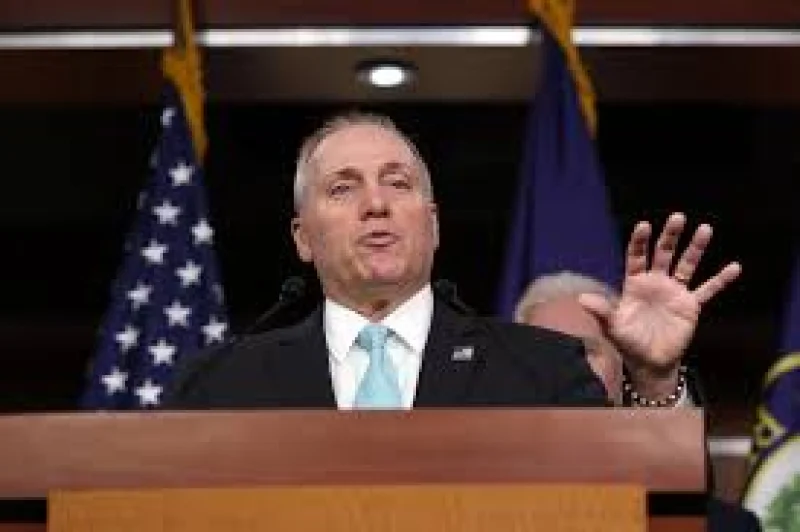
The margin was narrow enough to show how tightly the issue split the chamber. Kevin Kiley broke with House Republicans and joined all Democrats in voting no, while House Democrats opposed the bill unanimously. House Majority Leader Steve Scalise said supporters were voting to secure America’s borders and fund law enforcement, a line that reflected the argument Republicans used to rally behind the measure.

Democrats answered with a different warning. Hakeem Jeffries said the bill would waste $70 billion in taxpayer money and give ICE a blank check without any guardrails, oversight or accountability. That clash was not new. It was the latest turn in a fight that began in January, when Democrats blocked funding for the agencies after federal agents killed two U.S. citizens in Minneapolis during an intensive immigration crackdown.
The standoff had already pushed the Department of Homeland Security into a 75-day shutdown starting in mid-February, before it reopened at the end of April after Democrats agreed to support legislation that paid for all of the department’s operations except ICE and CBP. The Senate approved the measure last week, leaving the House vote as the last major hurdle.
What happens next is simple and consequential: the bill now waits on Trump. If he signs it, ICE, CBP and DHS will have a multiyear funding stream that carries through September 2029, ending the blockade that has defined the fight over immigration enforcement money in this Congress.
