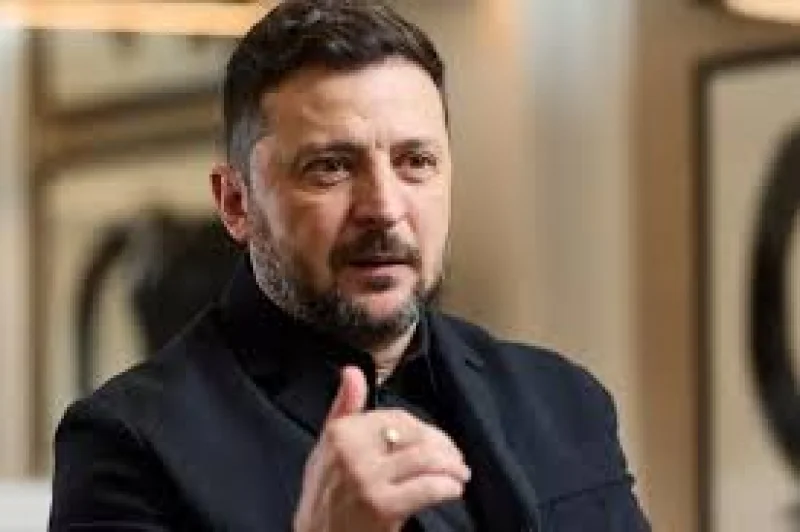
Volodymyr Zelenskyy said Ukraine’s military position is the strongest it has been in two and a half years, arguing in a Guardian interview in London that Russia is losing the initiative day by day as the war grinds on more than four years after Moscow’s full-scale invasion.
The Ukrainian president tied that assessment to what he cast as mounting Russian losses and setbacks, saying Moscow is losing more than 30,000 soldiers a month, including 23,000 to 24,000 killed, a number he called proof that Russia is not winning the war. His comments landed at a moment when Kyiv is looking for any sign that battlefield pressure is beginning to tilt back in its favor.
Recent strikes have given that argument some visual force. Long-range Ukrainian drones hit St Petersburg in the past week and set fire to oil terminals, while similar attacks crippled occupied Crimea, where a key supply road was littered with burning lorries and tankers and fuel shortages were reported to be severe. At the same time, Russia has intensified aerial attacks on Ukrainian towns and cities in recent months, including a strike last Tuesday involving 73 missiles and 656 drones that killed 18 people in Kyiv and Dnipro, among them a three-year-old boy.
Zelenskyy has been trying to turn that battlefield message into diplomacy as well. Last week he wrote an open letter to Vladimir Putin suggesting a face-to-face meeting to wind down the conflict, but Putin rejected the offer on Friday at the St Petersburg economic forum, calling the letter rude and insisting Russia’s territorial demands had not changed. He also said Russian forces were going forward across all parts of the frontline, a direct challenge to Zelenskyy’s claim that Moscow is losing ground.
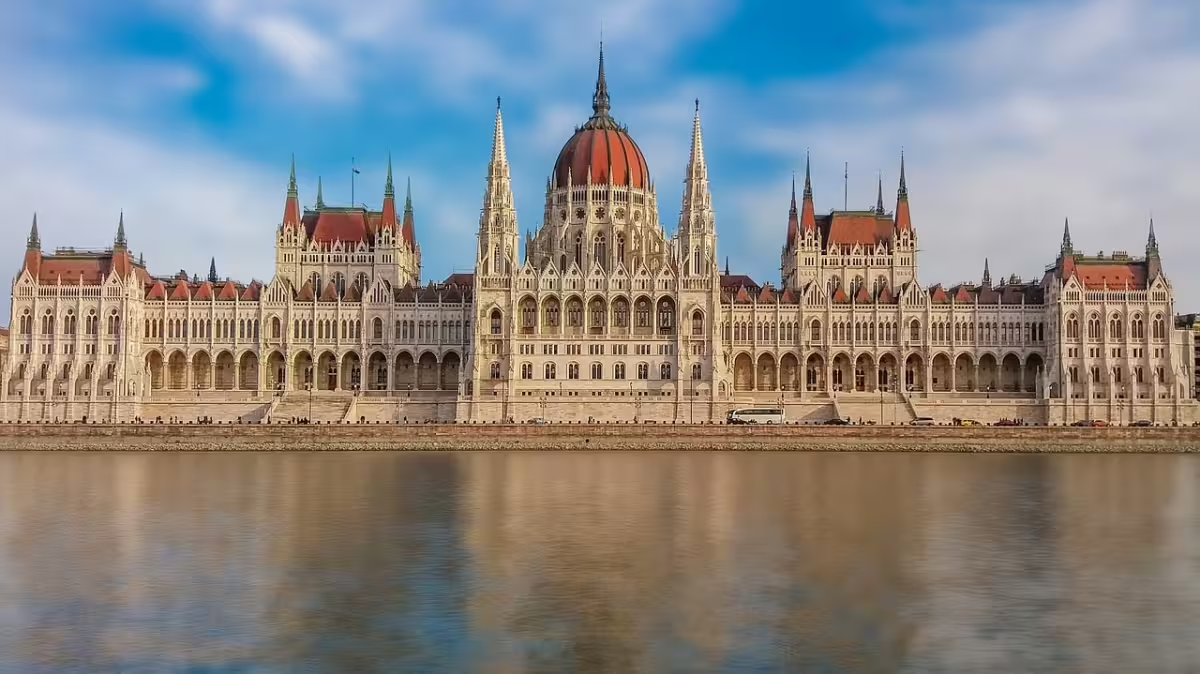
That disagreement matters because it goes to the heart of the war’s current momentum. Zelenskyy said Russia is losing influence in different countries, including in Azerbaijan, adding to political setbacks Moscow has faced in places including Hungary, Moldova and Armenia. He has been making the same basic argument since 2022, when he began saying Ukraine could defend itself if it received enough support. The question now is whether the latest battlefield gains, drone strikes and diplomatic fractures can produce something more durable than a momentary advantage.