


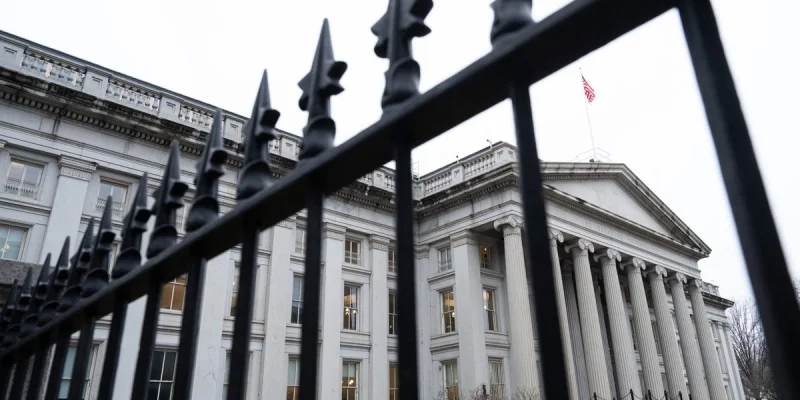
President Donald Trump is moving federal student loans from the Department of Education to the Treasury Department, and defaulted borrowers will be routed into Treasury’s Cross-Servicing program. That matters because the program uses private contractors to collect federal debts, putting millions of borrowers back into a system that can reach them through wage garnishment or seizure of federal benefits once the collection pause ends.
More than 10 million student-loan borrowers are in default or delinquency, according to Education Department data, and involuntary collections have been paused since January while the department prepares for major repayment changes. The timing makes the transfer more than an administrative shuffle: it is the first clear signal of how the administration plans to restart collections on loans that have been frozen while borrowers waited for the next step.
Treasury Secretary Scott Bessent said the department has “the unique experience, the operational capability, and the financial expertise to bring long overdue financial discipline to the program and be better stewards of taxpayer dollars.” The department is treating Treasury as the most straightforward way to resume collections, and Treasury already uses private companies to collect other federal payments, including taxes. For borrowers, that means the people on the other end of the phone lines may soon be the same kinds of contractors that have long handled other government debts.

That is where the move runs into its sharpest problem. Two of the contractors involved, Pioneer Credit Recovery and Transworld Systems, were previously sued or fined by federal watchdogs for misleading or abusive conduct. The Consumer Financial Protection Bureau began supervising private collectors in 2013 after finding that they made various misrepresentations to defaulted borrowers, then sued Pioneer in 2017 for deceptive and abusive practices and consumer protection violations. A court ordered Pioneer in 2024 to pay $100 million to affected borrowers, and the bureau also fined Transworld $2.5 million that year for filing debt collection lawsuits without proof that the debt was owed.
Former President Joe Biden ended the private-collector contracts in 2021, but the administration is now bringing that machinery back for defaulted student loans. Bonnie Latreille, a borrower advocate, put the concern bluntly: “No reasonable person would expect that these companies are going to be doing what they're supposed to be doing and going to be effectuating borrowers' rights.” The department has not said when the pause on involuntary collections will lift, leaving the key question not whether collections will restart, but how soon and through which contractors they will land.
When they do, the transfer will test whether Treasury can restart a broken collection system without repeating the worst parts of the one Washington already walked away from.
