


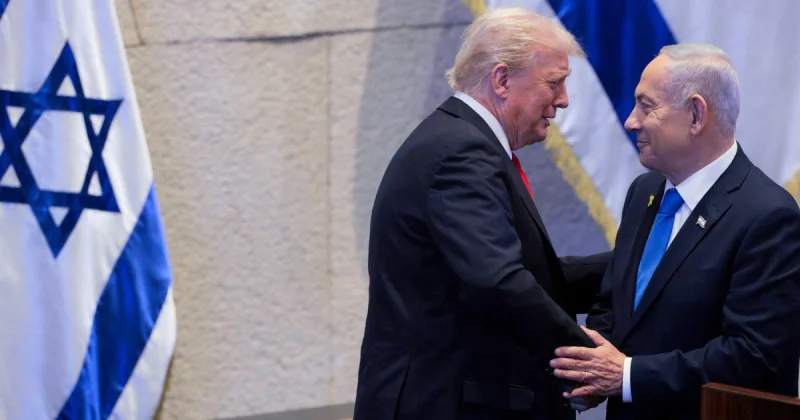
The Pentagon’s Defense Intelligence Agency has raised Israel’s counterintelligence threat level to its highest category, a move that reflects unusually sharp concern inside the U.S. intelligence community about Israeli surveillance efforts, according to two U.S. officials and one former U.S. official.
The DIA posted the new assessment in recent weeks and marked Israel at “critical,” the top level. The shift is being searched now because it lands in the middle of a fresh round of us israel intelligence tensions, with Donald Trump and Benjamin Netanyahu already clashing over the war in the Middle East and what comes next.
The internal message, which included a seven-page document and a chart, said Israel’s ability to conduct human espionage and technical collection had reached a “critical level.” The officials said the concern centered on an effort to gather information on top U.S. officials and on internal Trump administration deliberations over conflicts in the Middle East. They said Israel’s recent activity went well beyond what would normally be expected between allies.
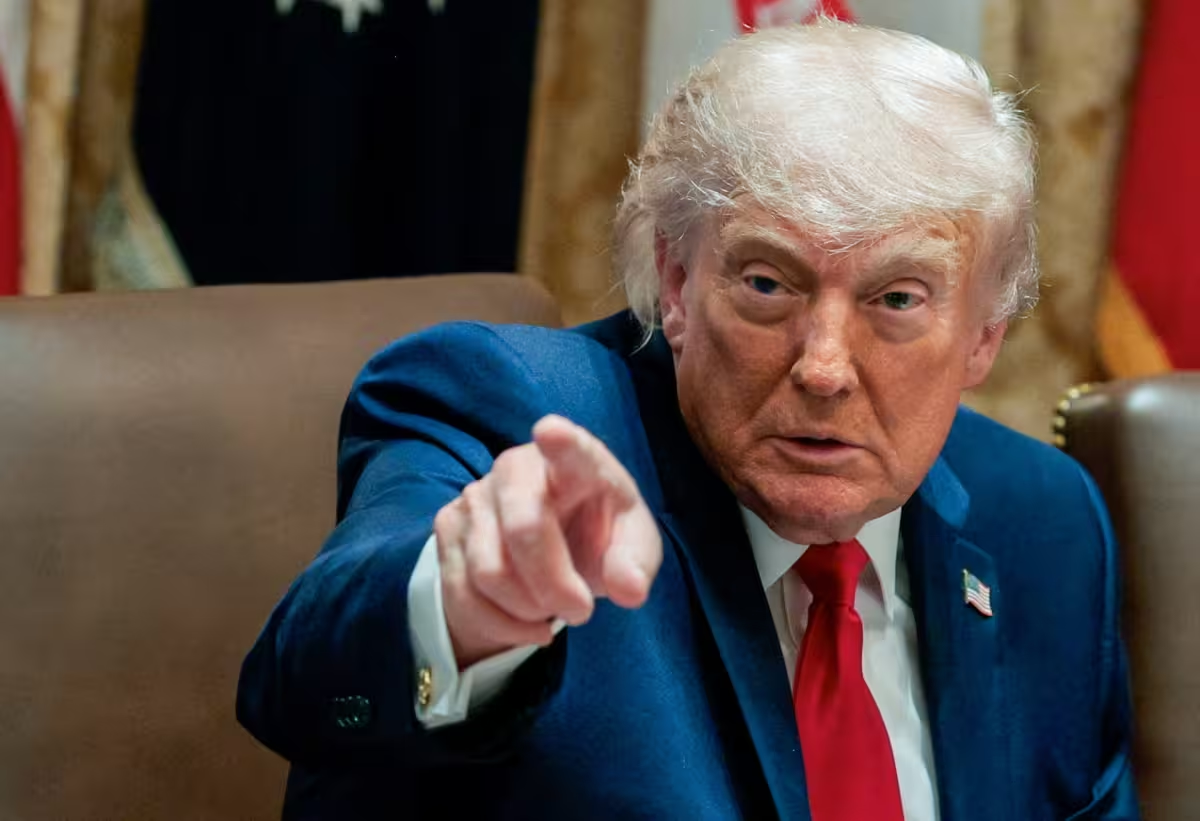
That is what makes the denial from Washington and Jerusalem so stark. An Israeli embassy spokesperson said the allegations were “completely false,” adding that Israel does not gather intelligence on American entities, let alone U.S. government officials, and that its collection efforts are aimed at enemies, not allies. A White House official also dismissed the report, saying, “This entire story is false and sourced to someone who doesn’t have any knowledge of what’s going on.”
The DIA document identified a series of specific incidents that sharpened U.S. concern, but the officials said they did not know whether one event triggered the upgrade. That unanswered point matters because the new designation suggests a broader judgment, not just a one-off complaint, and it comes as Trump and Netanyahu are already at odds over Iran, Lebanon and Hezbollah.
Trump told reporters he called Netanyahu “crazy” during a tense phone call this past week, after NBC News reported the two men had a heated exchange. Since a ceasefire went into place in early April, Trump has been pressing for a diplomatic deal with Iran, while Israel has publicly questioned whether Tehran would honor any agreement and Netanyahu has pushed for renewed bombing raids. Israel is also watching closely to see whether Trump resumes major combat operations against Iran or tries to end the conflict.
The result is a rare moment of public strain between two governments that usually keep their disputes behind closed doors. What remains unknown is whether the DIA’s “critical” label was driven by a single incident or by a pattern that U.S. officials now see as too serious to treat as routine.
