


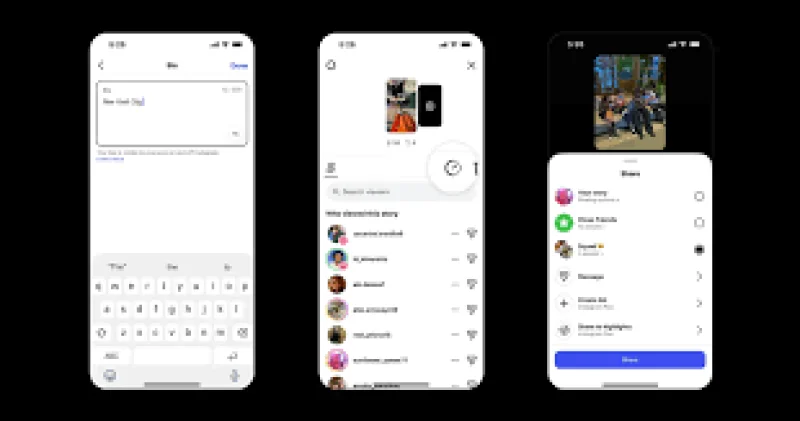
Meta has rolled out a range of new add-on subscription packages, and with them, a familiar question has come roaring back: if social platforms can sell extra features, what stops them from charging for the whole service someday?
The search interest around Instagram Plus is not just about another paid upgrade. It is about whether Meta, which reaches more than 3 billion active users and still gets about 98% of its annual income from ads, is testing the edges of a business model that has long depended on keeping Facebook and Instagram free.
That is why Mark Zuckerberg’s 2018 promise to Congress still matters. He said then that there will always be a version of Facebook that is free, a line meant to reassure lawmakers and users that the company’s core products would not turn into pay-to-play services. Meta has repeated that logic for years, but the new subscription push has put a brighter light on the gap between that pledge and the commercial pressures facing the company now.

The numbers help explain why the question will not go away quickly. Around 35 million Facebook and Instagram users may have signed up to Meta Verified so far, which would amount to only 0.98% of Meta’s vast audience. On other platforms, the appetite for paid extras has also been modest. About 4.5% of YouTube’s user base pays for YouTube Premium, fewer than 1% of X users pay for X Premium, and Snapchat+ has been taken up by around 2.6% of the platform’s total monthly audience. Even LinkedIn, where subscription tools are more established, is estimated to have about 18% of its member base paying for add-on features.
There is a reason the debate keeps drifting toward pricing. Elon Musk argued in 2023 that X may soon be forced to charge all users, even if only a small amount, saying it is “trivial to spin up 100k human-like bots for less than a penny per account.” He also said paid verification increases bot cost by about 10,000% and makes bots easier to spot through phone and credit-card clustering. In his view, paid social would eventually become “the only social media that matters.”
That is the friction Meta cannot neatly escape. The company depends overwhelmingly on advertising, which works best when the user base stays enormous and open. But rising AI costs and the constant problem of platform abuse are pushing the industry to rethink whether a free tier can do all the work forever. Meta could one day decide to make everyone pay $1 per month to use its apps, but nothing in the current announcement says that is next, or even near.
For now, Instagram Plus looks like an add-on business, not the end of free access. The sharper question is whether Meta is merely broadening its menu — or quietly showing the market how close social media can come to a paywall before users start accepting it.
