


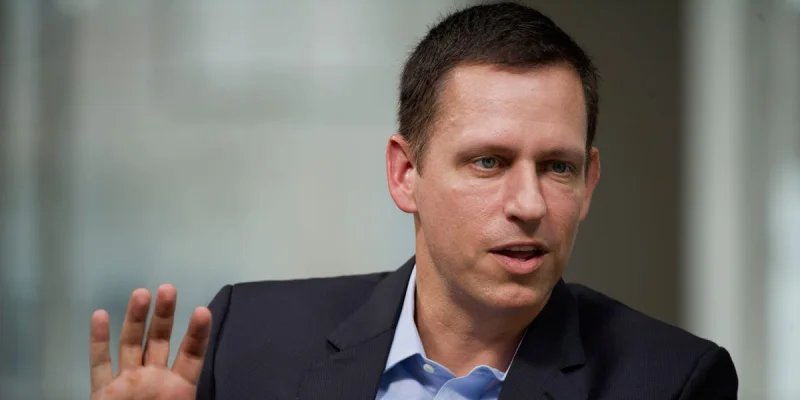
Peter Thiel has temporarily relocated to Argentina, a move that puts one of Silicon Valley’s most closely watched billionaires inside a fast-growing search by rich Americans for backup countries and second passports. He already holds citizenship in the US and New Zealand, and he has reportedly applied for a Maltese passport.
The timing matters because the scramble is no longer theoretical. In 2025, Henley and Partners said applications from Americans interested in alternative residence and citizenship jumped 99% year over year, and a UBS survey of 87 billionaire clients found that 36% had relocated at least once while 9% were considering doing so. For people with that much money, the question is not whether they can move. It is where they can go if politics, security or personal risk turns the country they know into the wrong place to be.
That is why Thiel’s temporary shift to Argentina has drawn attention beyond the usual billionaire-watch crowd. Javier Milei now leads the country, and Argentina has become part of the conversation among ultrawealthy Americans who see Europe and a handful of other jurisdictions as expensive plan B destinations. Wealth intelligence firm Altrata said in an April 2026 report that billionaires and centimillionaires no longer rely on a single system, market or passport. In that world, residence and citizenship programs are treated less like vanity purchases and more like insurance policies.
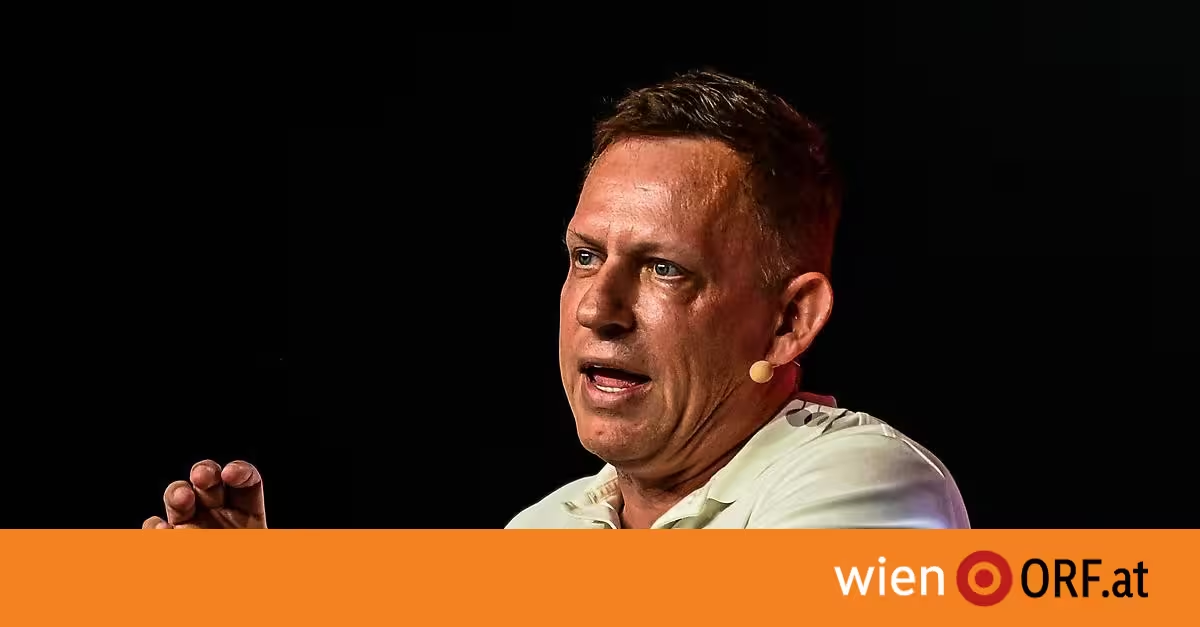
The money behind the trend is real, but so is the caution. One adviser, Charlie Garcia, said the conversations that push rich clients toward the Southern Cone can sound dramatic only until they are sitting through off-the-record dinners about nuclear escalation, AI going sideways and civil unrest in the Northern Hemisphere. Basil Mohr-Elzeki called a contingency plan “quite expensive,” and Winston Chesterfield described a class of people who keep buying “different plan Bs all over the place.”
Argentina still does not make the picture simple. The country is volatile, and it has few straightforward paths to citizenship or permanent residence that do not involve relocation. That makes Thiel’s presence there more suggestive than settled. He may simply be testing options in a region that now looks, to some rich Americans, like a literal and figurative safe distance. Whether he ends up staying, or whether the reported Maltese passport application leads anywhere, is the part that remains unknown.
What is already clear is that the old idea of one home, one tax base and one passport is losing ground among the richest Americans. They are looking for exits before they need them, and Thiel’s move has made that instinct impossible to miss.
