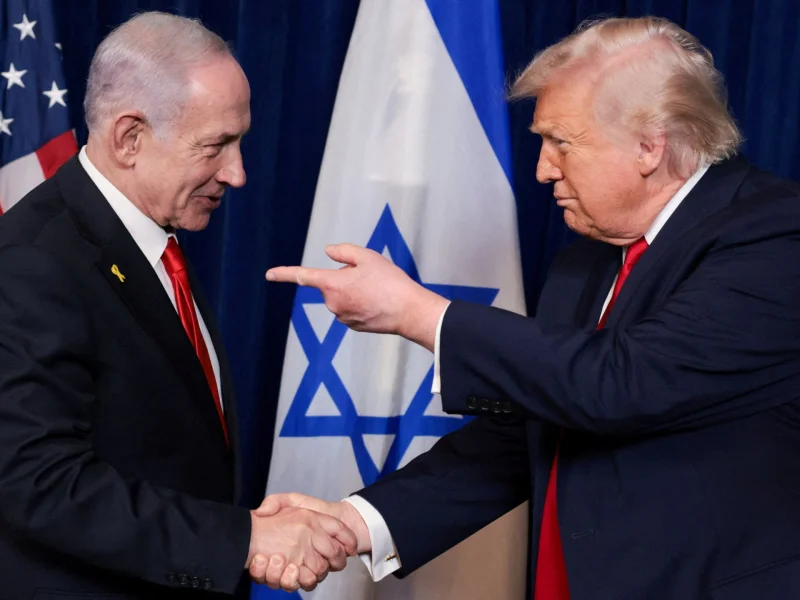
Donald Trump said Israel and Hezbollah had agreed to dial back fighting on Monday, even as Israeli strikes kept hitting towns in southern Lebanon and Hezbollah rockets reached northern Israel. The fighting did not stop on the ground, but the U.S. president’s statement pointed to the first public hint of a pullback.
For readers watching the conflict on June 1, 2026, that matters because the violence was still moving in both directions. Residents fled southern Beirut after Israel ordered strikes on Dahiyeh, while Israeli ground forces kept pushing deeper into Lebanon and Hezbollah fired rockets at the outskirts of Haifa. The pace of attacks suggested a battlefield still widening, not one that had clearly begun to quiet.
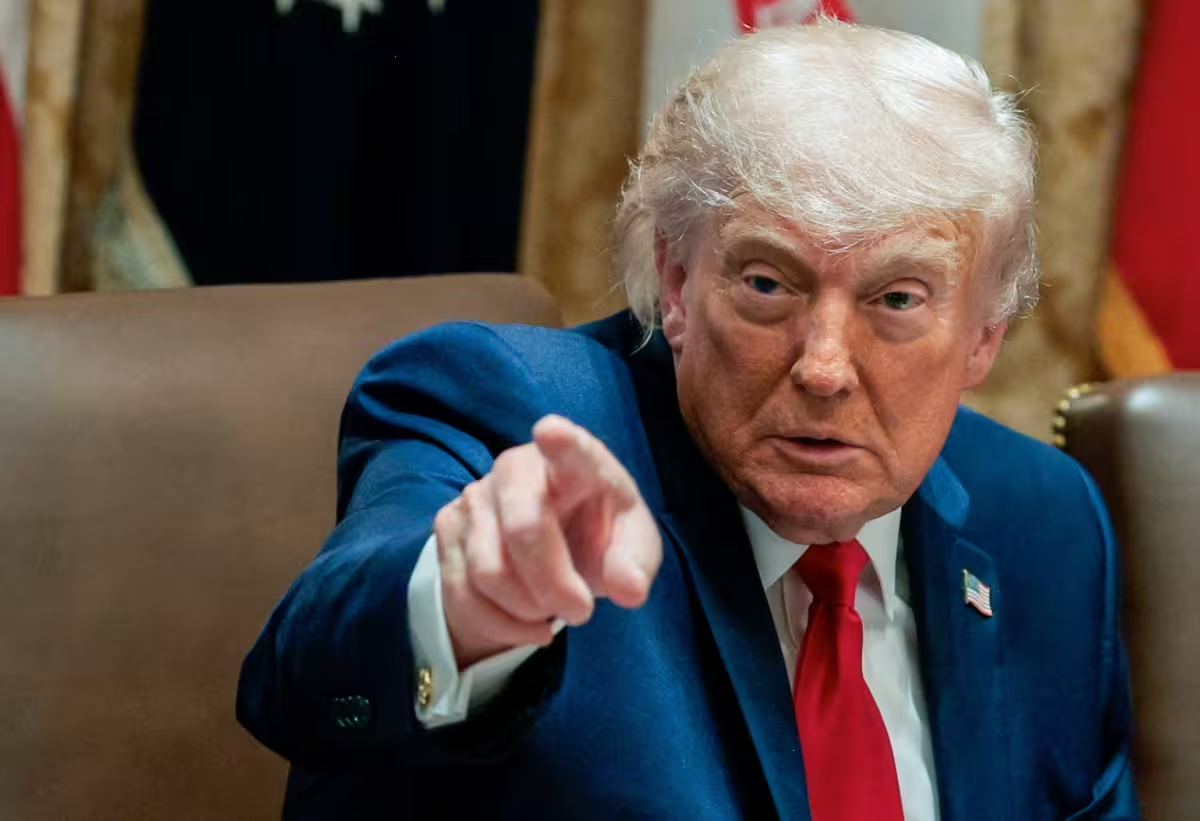
The statement also came after the Israeli army reached its deepest point in Lebanon in 26 years on Sunday, a sign of how far the ground campaign had already gone. On Monday, widespread Israeli strikes hit towns across southern Lebanon, adding to the pressure on civilians in the south and in Beirut’s southern suburbs, where Dahiyeh is an area of strong Hezbollah support.
That is what makes the gap between the declared diplomacy and the fighting so hard to ignore. Trump did not spell out what terms, if any, had been accepted, and nothing on the ground made the truce language self-evident. Israeli orders to attack the southern suburbs were still driving people out of southern Beirut, while Hezbollah continued to answer with rockets into northern Israel.
The human cost was visible in Ashkelon, where Staff-Sergeant Michael Tyukin was buried on Monday after he was killed in a drone attack in southern Lebanon. His coffin was carried by Israeli soldiers at the funeral, a reminder that even talk of dialing back the war was arriving alongside fresh funerals and fresh fire. Whether the reported easing becomes real will depend on who is enforcing it and whether the shooting actually slows in the hours ahead.