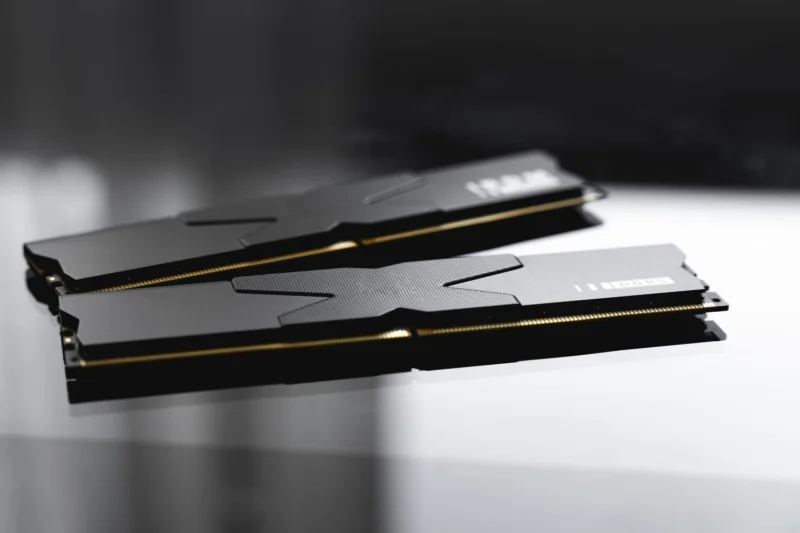
Roundhill Memory ETF, better known by the ticker DRAM, has become one of the most concentrated ways to buy into the memory shortage trade, with Samsung Electronics, SK Hynix and Micron accounting for 72% of its assets. For investors trying to ride demand for high-bandwidth memory, that means the fund’s fate is tied to just three companies.
The timing matters because Micron just posted fiscal first-quarter 2026 revenue of $13.643 billion, up 57% from a year earlier, and it said its Cloud Memory unit alone brought in $5.284 billion at a 66% gross margin. Sanjay Mehrotra said the company’s second-quarter outlook reflects records across revenue, gross margin, EPS and free cash flow, and that business performance should keep strengthening through fiscal 2026.
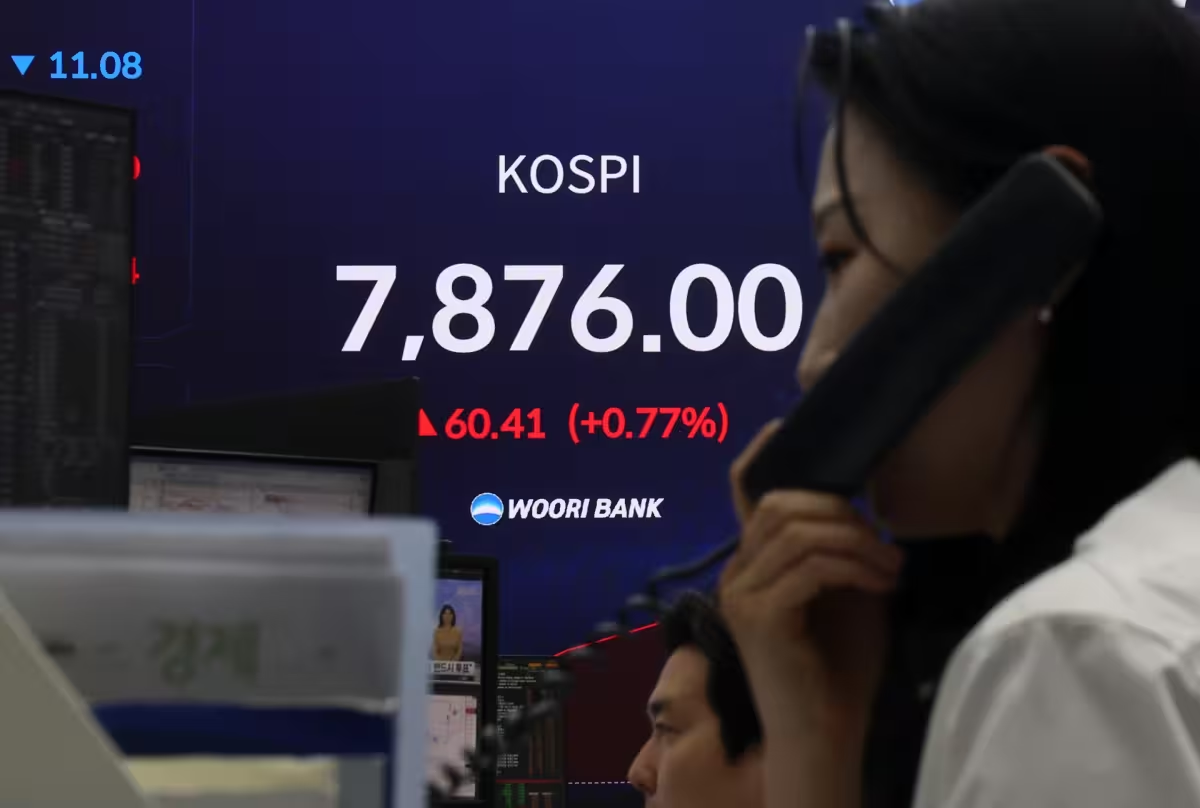
That is why DRAM is drawing attention now. The fund offers a direct way to express the view that high-bandwidth memory remains a choke point in the AI buildout, but it does so with very little diversification. Samsung makes up 25% of the ETF, SK Hynix 24% and Micron 24%, leaving only nine names in the portfolio overall. The rest includes Kioxia, Sandisk, Western Digital, Seagate, Nanya Technology and Winbond, while roughly 49% of the fund is weighted toward South Korea.
That concentration is the attraction and the risk. DRAM is meant to be a targeted memory play, yet nearly three-quarters of the assets sit in companies that are directly exposed to DRAM and high-bandwidth memory pricing, supply constraints and manufacturing bottlenecks. SK Hynix has been described as sold out through 2026, Micron through 2027, and the order books for stacked DRAM modules used in NVIDIA’s Blackwell accelerators are reportedly stretching past 2027. Only three companies can produce those modules at scale.
Micron’s latest numbers reinforce why memory investors are watching closely. The company beat consensus of $3.94 with non-GAAP EPS of $4.78, and it guided gross margin to 68% for the current quarter. The unresolved question is not whether demand is strong today — it is how long the pricing power lasts once the sold-out periods run deeper into 2026 and 2027, and how much of that upside DRAM holders actually capture if the market stays this concentrated.