


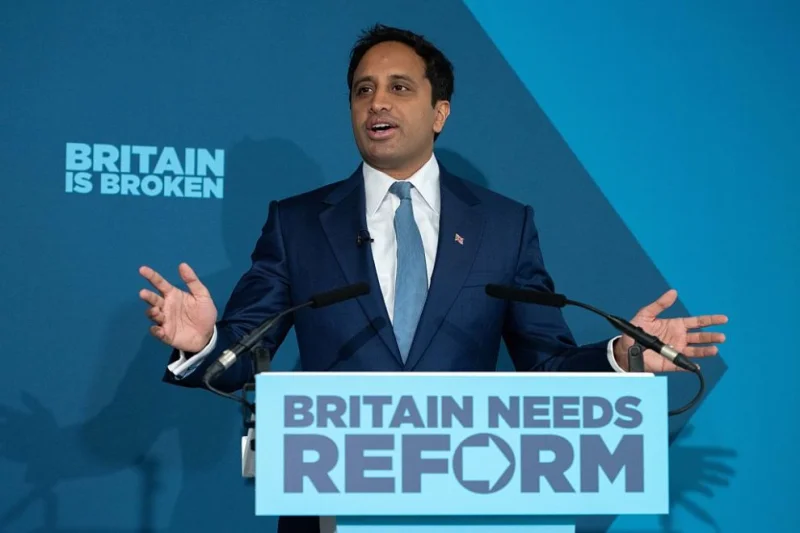
Zia Yusuf has called for the Kirpan knife to be banned from being carried in public after the killing of Henry Nowak, an 18-year-old whose death has fuelled fury across Britain. The Reform figure made the demand in the wake of a case that has quickly become a flashpoint over race, policing and the use of knives in public.
The killing that prompted the reaction happened in Southampton, where Vickrum Digwa allegedly used a second larger knife to stab Nowak. Yusuf, Reform’s shadow home secretary, argued that the accusation of racism in Britain has become so powerful that it can lead to a fatal stabbing and still leave the victim handcuffed by police as he lies dying. He said white people are now demonstrably the biggest victims of racism in Britain.

The call carries immediate weight because Yusuf is not speaking from the margins of the debate. Nigel Farage has given his blessing to his role in Reform, and Yusuf is using that platform to press for a public ban on the Kirpan, the small knife worn under clothes by some Sikhs. The issue is already being searched now because it joins a specific killing with a broader argument about what police should do when race is raised in the middle of a violent attack.
That is also where the contradiction sits. Yusuf has been carrying a small Kirpan himself while demanding that the weapon be banned from public carrying, a detail that gives his intervention a sharper edge than a simple law-and-order appeal. It turns the proposal into a test of whether Reform is making a targeted security argument or reaching for a symbol that will land hardest in Britain’s religious and political debate.
Yusuf also cast the moment in larger political terms, saying recent events show why he views Tory and Labour politicians who created what he called the burning injustice of modern Britain as traitors to their country, and warning that a reckoning is coming. What remains unclear is whether his call will become a formal Reform policy or any real proposal for government, but the killing of Nowak has already pushed the Kirpan knife into a much wider fight over safety, identity and the boundaries of public carrying in Britain.
