


Henry Nowak’s murder has moved from a family tragedy into the middle of Britain’s policing fight, with his parents touring the Houses of Parliament on Wednesday while MPs argued over the case and the anger around it sharpened again.
The visit put the Nowaks at the center of a row that has now reached the highest levels of politics. They met Conservative leader Kemi Badenoch and had an appointment at Downing Street with the prime minister, even as Alan Campbell and Jesse Norman used the Commons Chamber to pay tribute to Henry and to the dignity of his family.
The reason the story has broken into the wider public debate is that it is now being used to test a claim that has circulated through British politics since the summer of 2024: that some people believe the country is operating under “two-tier policing.” On Wednesday, MPs shouted “condemn it,” cried “shame,” and jeered and booed as Nigel Farage repeated his argument that “growing millions” in the UK think the police treat people differently depending on who they are.
Farage said the anger “spilling out” in Southampton was “in danger of getting considerably worse” if trust in policing keeps falling. Donna Jones pushed back hard, saying his comments on Wednesday were irresponsible and would lead to more division on Britain’s streets. She added that the Nowaks had called for calm reflection on Friday and had asked her to represent that view.
That clash matters because the argument did not begin with Henry Nowak’s case. Claims of “two-tier” policing started to circulate in mainstream politics in the summer of 2024, after violent protests broke out in towns and cities across England and Northern Ireland following the fatal stabbings at a children’s dance class in Southport on 29 July. Misinformation on social media that the suspect was an illegal migrant helped stir the unrest, and after the identity of the girls’ killer was made public on 1 August there were more than 1,800 arrests, with suspects fast-tracked through the courts.
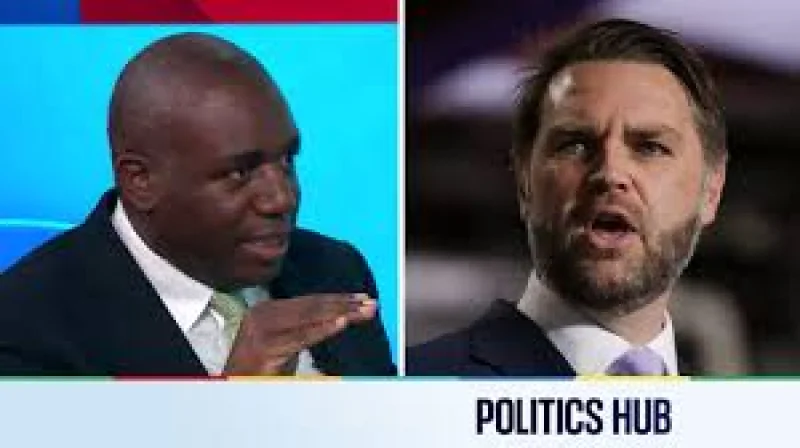
That backdrop explains why this latest row has become so combustible. Sir Keir Starmer wanted to stamp his authority fast after becoming prime minister, and accusations soon emerged that the summer rioters, mainly white, were being treated more harshly than protesters at other recent demonstrations. Now Henry’s name has been pulled into a national argument over fairness, order and trust in the police, with the Trump administration entering the dispute this weekend after the vice president of the United States joined the political fight.
What happens next is not a legal ruling or a new arrest. It is whether Britain’s politicians can stop using a grieving family as shorthand for a broader battle over policing before the row hardens into something even harder to contain.
