


Florida’s push to expand its Save Our Homes property tax break is moving into a critical week, and local leaders in Northwest Florida are already warning that the plan could drain millions from school districts and public safety budgets if lawmakers approve it next week and send it to voters in November.
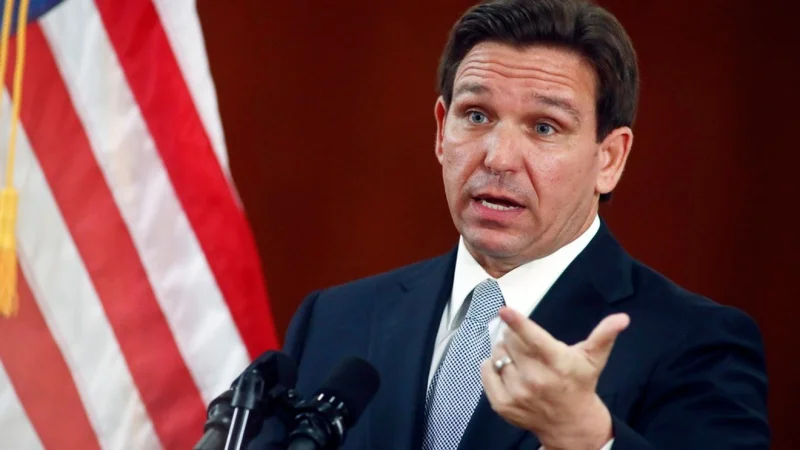
Governor Ron DeSantis has called lawmakers back for a session on the proposal, which would exempt the first $250,000 of a home’s value from taxation, set a 5-year residency requirement for homestead eligibility and eventually eliminate the tax. If it clears the Legislature next week, it would still need 60% approval at the ballot in November.
That is why Pensacola Mayor DC Reeves is watching the numbers so closely. He said 72% of homestead properties within the city are assessed at under $250,000, which means the plan would provide full property tax relief to 72% of the homes. In a city where much of the housing stock falls below the proposed threshold, the policy’s biggest immediate effect would be on the revenue base that funds local services.
For Escambia, Santa Rosa and Okaloosa counties, the preliminary figures are large enough to change budget planning. Escambia County estimates a $36 million drop in revenue for the 2027-28 fiscal year, Santa Rosa County expects a loss close to $36 million, and Okaloosa County puts its hit at $25 million. Andrade said the proposal could cut more than $40 million from Santa Rosa County school district budgets and more than $70 million from Escambia County school district budgets once it takes effect in 2027.
DeSantis has framed the plan as relief for taxpayers who have seen bills rise even when services have not changed much. He has argued that homeowners are paying too much to local governments and that the proposal still leaves room for counties and cities to fund essential services. But Andrade said the measure does not keep law enforcement budgets at least at today’s level, and he warned it gives local agencies no real protection even though it allows money to be spent on public safety. The governor’s proposal would also limit future property taxes on businesses and require local governments to use the remaining property tax revenue only for core public needs, including public safety, infrastructure, education and natural resources.
The unresolved question is not whether local governments will feel the loss; their early estimates already show they will. It is how they would replace the revenue if the Legislature sends the proposal to voters and a 60% majority approves it in November.
