


Nicola Sturgeon said she feels as though she is “serving a sentence for a crime I did not commit” in a interview aired on the morning after her estranged husband admitted embezzling £400,000 from the SNP. The former Scottish First Minister also said she would not apologise for “somebody else’s crimes”.
The interview, already recorded, was being shown in full on Sunday with Laura Kuenssberg at 09:00, putting Sturgeon’s response back at the centre of a scandal that has shadowed the party she led for years. Peter Murrell’s admission landed days earlier, and the timing gave the programme a clear news hook: viewers were hearing from the person at the centre of the SNP’s recent history as the fallout from his confession was still settling.
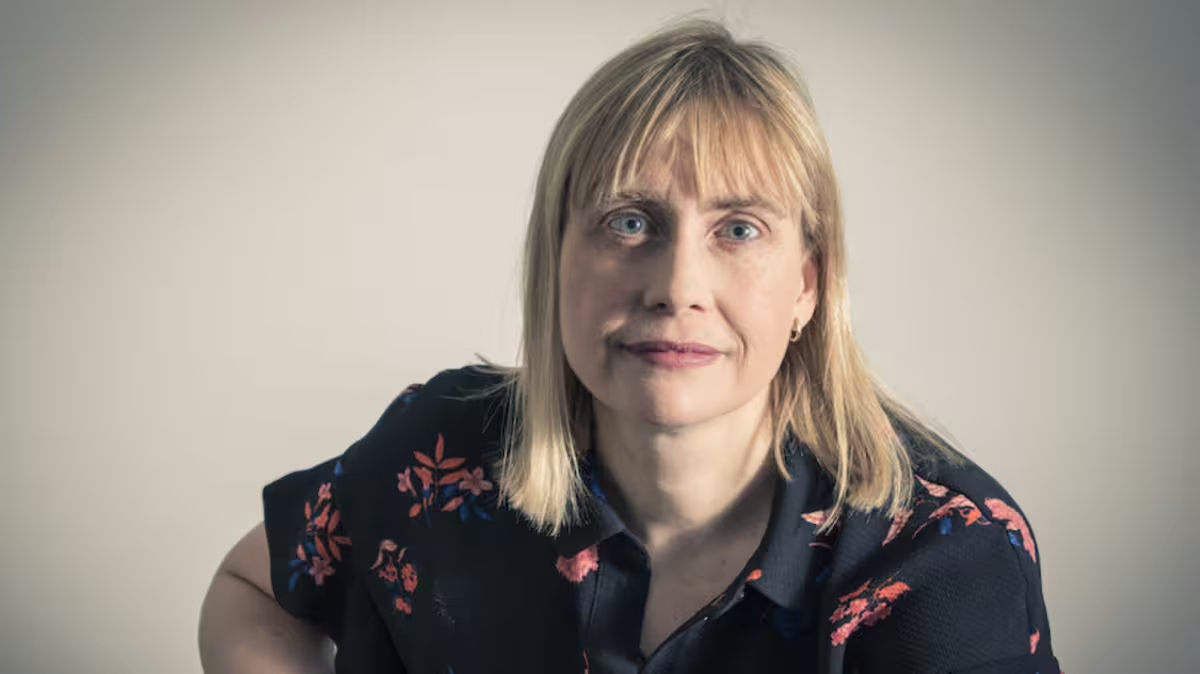
Asked whether she was angry with Murrell, Sturgeon said: “I don’t think that even begins to cover it.” She said she had been “deceived, lied to, I’ve been betrayed,” words that captured how far the split between the former first minister and her estranged husband now runs in public. Murrell’s admission is the detail that changed the story from political embarrassment to something more personal, and more corrosive, for the woman who spent years defending the party’s reputation.
That is why the interview mattered beyond the immediate scandal. Sturgeon is no longer in office, but her name still carries the weight of the SNP’s rise and the years it dominated Scottish politics. Her refusal to apologise draws a hard line between her own record and Murrell’s conduct, even as the two remain linked in the public eye. It is a position that may satisfy her own defence, but it does not resolve the damage done to the party’s credibility or to her own legacy.
The broadcast also came amid a wider programme built around current political pressure points, with Work and Pensions Secretary Pat McFadden and shadow home secretary Chris Philp due to face questions later in the show. The panel included Tory MP Jeremy Hunt, Labour MP Rosena Allin-Khan and broadcaster Aasmah Mir, while earlier in the week new figures showed the number of 16 to 24-year-olds not in employment, education or training had risen to more than one million, a 12-year high. That left Sturgeon’s remarks as the programme’s sharpest personal moment and the one with the most immediate political afterlife: the apology she will not make is now part of a story that has moved from private shock to public judgment.
