


The Trump administration said Friday it would appeal a federal judge’s order that allows all companies that paid the invalidated tariff duties to seek refunds, putting a fresh legal challenge in the middle of money already moving back to importers. The move could slow or reshape a process that has already sent refund checks to businesses big and small.
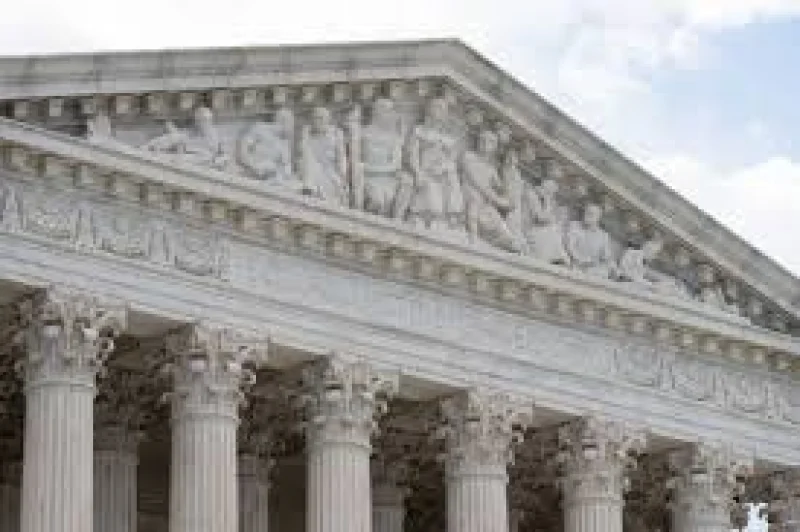
For companies that paid the duties, the fight now is not over what was collected. The U.S. Supreme Court ruled that President Donald Trump lacked the constitutional authority to impose higher import taxes on goods from nearly every other country, and businesses have begun getting that money back. Customs and Border Protection said the first successful applicants saw refunds reach their bank accounts on May 12, after importers and customs brokers had been able to start filing claims through an online system about three weeks earlier.
The numbers show how large the unwind has become. As of May 22, applications for refunds totaling $85 billion had been accepted for processing, and CBP said it had already directed the Treasury Department to issue $20.6 billion. The agency said the refund system had been working fairly smoothly, even as the Justice Department told Judge Richard K. Eaton that it intended to appeal the universal refund order. Lawyers for the department argued that Eaton exceeded his authority in March when he decided the Supreme Court’s ruling entitled all importers of record to refunds.
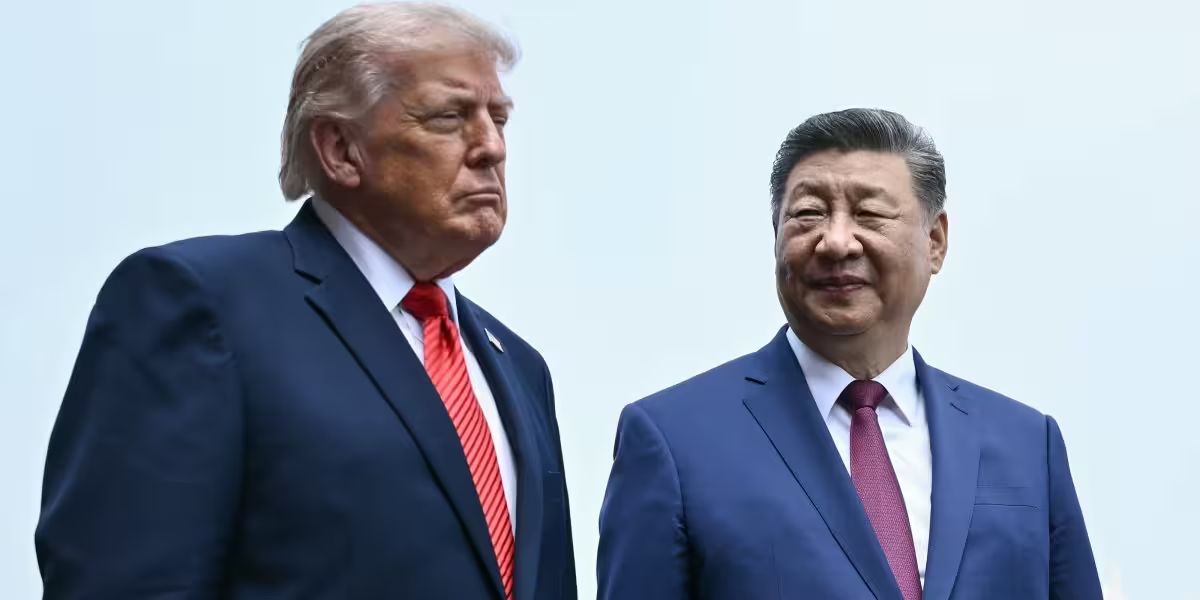
Eaton has taken a different view of the remedy. In March, he said, “It is undisputed that the remedy for this unlawful collection is for the United States government to refund the unlawfully collected duties,” and he later scheduled a June 9 hearing on why he should not require the government to speed up the process. He also said he intended to let cases that had been put on hold while CBP figured out how to handle refund claims move ahead, a step that matters because more than 1,000 companies have filed lawsuits to recoup their tariff costs.
The appeal comes as the refund operation is still being run in phases for businesses that filed legal complaints, a sign that the paperwork and the court fight are now moving together. Justice Department lawyers asked Eaton to allow one or two of Rodney Scott’s deputies to appear in his place, underscoring how much the government wants to keep the dispute focused on procedure as well as money. If the appeal does not stop the refunds, the open question is how long it will take to repay roughly 330,000 importers that may be eligible.
That count gives the case its sharpest edge. Costco, Goodyear Tire, Dole Fresh Fruit and Kohl’s are among the companies that sued to recover tariff costs, but the judge’s order reaches far beyond the firms that went to court. The administration’s appeal now tests whether the refund process continues at full speed or gets caught in another round of litigation just as importers were starting to see the money land back where it came from.
