


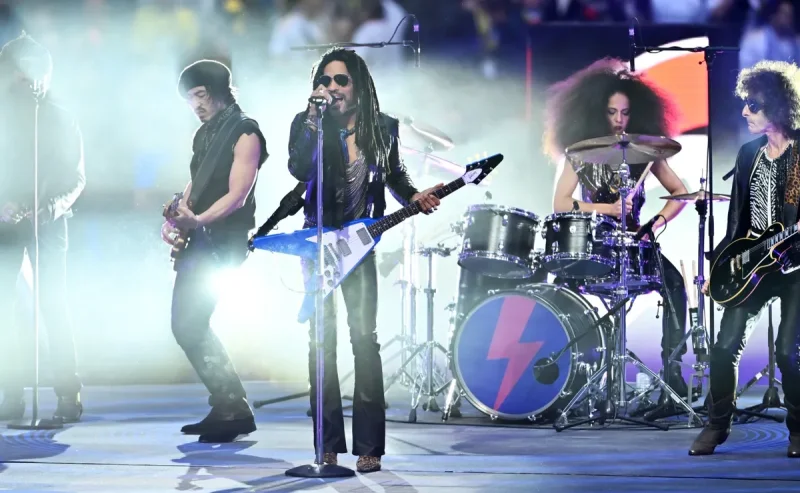
UEFA’s Champions League final did not always begin with a concert. That changed in 2016, when Alicia Keys became the first artist to headline the competition’s modern opening ceremony before Real Madrid faced Atletico Madrid.
That shift matters now because the names attached to the final have become part of the event’s identity as fans look back at who has performed on soccer’s biggest club stage. Since UEFA officially introduced the format, live entertainment has become a regular feature before the match, with artists from pop, rock, hip-hop and electronic music taking center stage. Keys used her appearance to debut new music and performed several songs, setting a template that would be followed by later acts including Dua Lipa in 2018 and Camila Cabello in 2022.
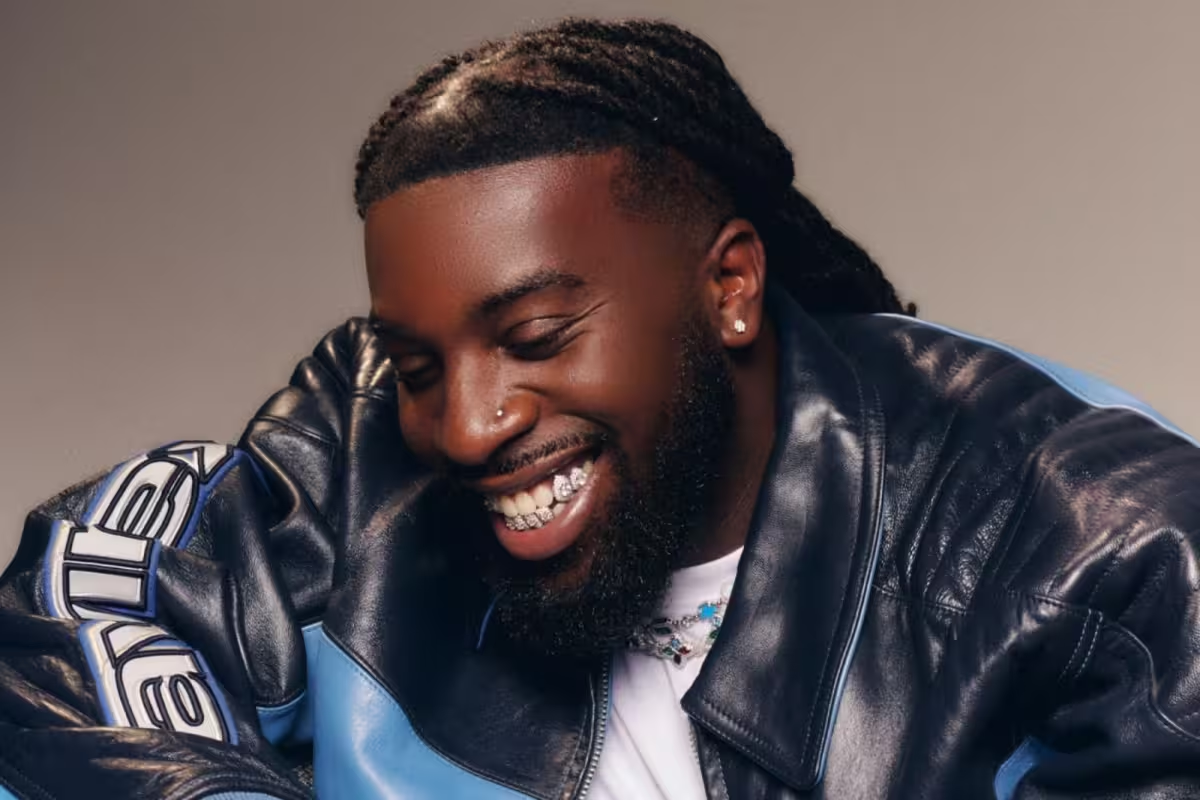
Cabello’s appearance before the final between Liverpool and Real Madrid drew especially wide attention because her set included “Havana” and “Bam Bam,” and the official YouTube upload of the performance has since surpassed 25 million views. That kind of reach is exactly why the pre-match show has become more than a warm-up. UEFA and Pepsi have pushed the final toward a broader entertainment spectacle, borrowing from the Super Bowl-style blend of sport and performance that is far more common in the United States than in traditional European football.
That comparison has also fueled the pushback. Some traditional European soccer fans have criticized UEFA for “Americanizing” the Champions League final experience, arguing that the game itself should remain the centerpiece and that the pageantry risks drowning out the football. Yet the list of acts keeps growing, and rock bands including The Killers and Linkin Park have also been part of the build-up before finals, showing that UEFA has doubled down on a format it clearly sees as part of the product.
The unresolved question is not whether the opening ceremony will survive; it already has. It is who UEFA will put on the stage next, and whether the 2026 final will bring another big-name act or finally test the limits of how much spectacle Champions League purists will accept. For now, the modern era that began with Keys in 2016 has become the rule, not the exception.
