


Die Another Day closed Pierce Brosnan’s James Bond run by pushing the franchise to a place producers later decided was too fantastical, and it did so with enough box-office muscle to make the pivot harder to ignore. The 2002 film was meant as a capstone to Bond’s 40th year on the big screen, but it ended up looking like the end of an era in more ways than one.
That is why the film still draws attention now, and why Casino Royale remains tied to it. Fans and film watchers keep circling back to Brosnan’s last outing because it sits right on the fault line between the old Bond and the newer one that Daniel Craig would inherit. Producers Barbara Broccoli and Michael G. Wilson would later say the series had become too fantastical and that it was time for a new tone with Casino Royale.
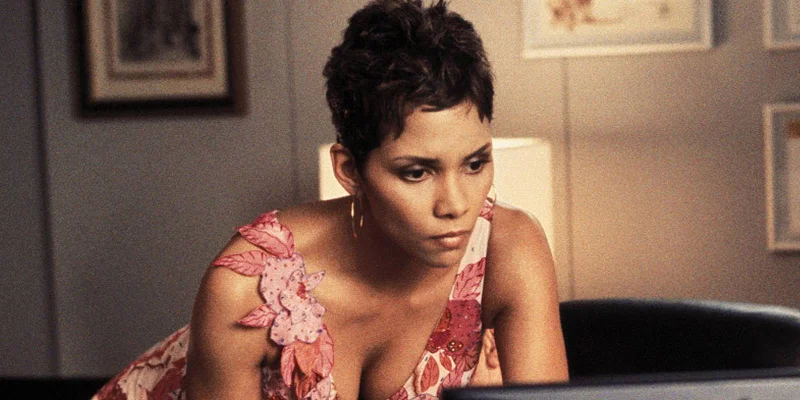
Lee Tamahori’s film opens with Bond on an arms-deal takedown in North Korea that explodes into an all-out battle, then pushes him into a torture sequence during the opening credits, a first for the series. From there it keeps escalating: a Cuba sequence that works well enough, Halle Berry’s wink to Ursula Andress in Dr. No, Toby Stephens as Gustav Graves and Colonel Tan-Sun Moon, Graves’ ice palace, an invisible Aston Martin, and a computer-generated Brosnan surfing a tsunami on a slab of jet wreckage. Even by the standards of a franchise built on excess, some of the CGI is remembered as abominable, and the script as bizarrely uneven.

What makes the film hard to dismiss is that Brosnan is solid as a rock in it. Madonna’s disco-revival theme song adds one more layer of spectacle to a movie that critics said dropped sharply in quality from his three earlier Bond entries. The film was a financial success anyway, which is part of the friction around it: a widely panned Bond movie that still found an audience, even as many critics grouped it with the original comedic Casino Royale and the 1983 non-canonical Never Say Never Again among the franchise’s weaker detours.
The result was less a clean ending than a messy handoff. Die Another Day did not simply finish Brosnan’s cycle; it helped convince the people steering Bond that the next film needed a harder reset. Casino Royale became that reset, launching Craig as a more vulnerable, more violent Bond full of rage, and giving the series a new center of gravity that would carry all the way through No Time to Die.
The unanswered part is not whether Die Another Day mattered. It did. The real question is how much of the Casino Royale reinvention was a reaction to Brosnan’s final turn, and how much was the franchise finally admitting that its old formula had run out of road.
