



A work coach job with the Department for Work and Pensions ended in tribunal defeat for Mark Jennings after he refused to take the post unless the department kept him away from Pride imagery and colleagues using different pronouns. Employment Judge Daniel Wright dismissed his claims of indirect religious discrimination and failure to make reasonable adjustments.
Jennings accepted the role in June 2024, then made what were described as unreasonable demands when the offer was put to him over the phone. He said he did not want to be subjected to Pride imagery at work or to hear colleagues using different pronouns, and later turned the job down when the department would not agree.
The dispute matters because it placed workplace inclusion policies directly against a religious objection, and the tribunal's ruling went beyond this one vacancy. Wright said restricting employees' Pride displays would leave the Department for Work and Pensions open to claims of direct or indirect sexual orientation discrimination, harassment and direct or indirect belief discrimination. In other words, the department would have been exposed on both sides of the argument if it had accepted Jennings' request.
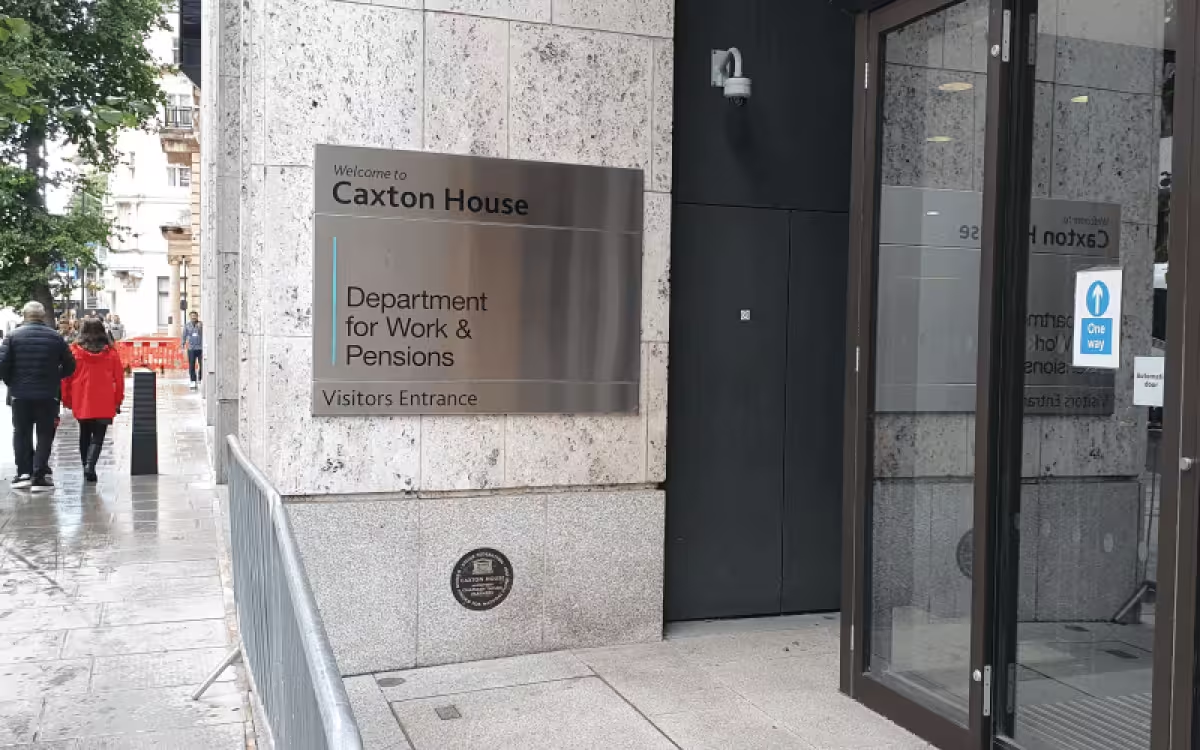
Jennings later sued the government, saying his faith meant gender ideology and the promotion of trans ideology caused him great anxiety. He also said that homosexuality and transgenderism is a sin contrary to the laws of God, and argued that colleagues should be asked to remove Pride symbols or that he should work from home during Pride Month.
The Department for Work and Pensions said it could not meet that request because staff had the right to express support for Pride. That left the tribunal with a narrow but awkward question: whether a public employer had to shield one applicant from material linked to Pride in order to accommodate his beliefs, even if doing so would curb the protected expression of others. Wright's answer was no.
Jennings described himself to the tribunal as a Roman Catholic and evangelical Christian. The case also did not stand alone. The tribunal heard that he had filed similar claims against other organisations, including Stagecoach and NatWest, underlining that this was part of a wider series of disputes over workplace Pride symbols, pronoun use and religious belief claims.
The ruling closes the door on Jennings' bid to turn down the job and then challenge the refusal as unlawful discrimination. It also leaves intact the principle that an employer cannot resolve one worker's objection to Pride by silencing everyone else in the workplace.
