Some state pensioners aged 75 and over can cut their television licence bill to £0 with a single claim if they are on a low income. The route is Pension Credit, which can also unlock help with housing costs and council tax.
The timing matters because the licence fee rose by £5.50 on April 1 to £180 a year, and it is set to rise again in line with inflation next April. A black and white TV licence costs £60.50 a year, but most households now pay the colour rate if they watch or record programmes on a TV, computer or other device as they are broadcast, including on-demand programmes on iPlayer.
Pension Credit is designed to top up the incomes of older people on a low income. After a 4.8% increase on April 6, it is worth an average of £4,300 a year. Under the new 2026/27 rates, single claimants can top up their income to £238 a week, while joint claimants with a partner can reach £363.25 a week.
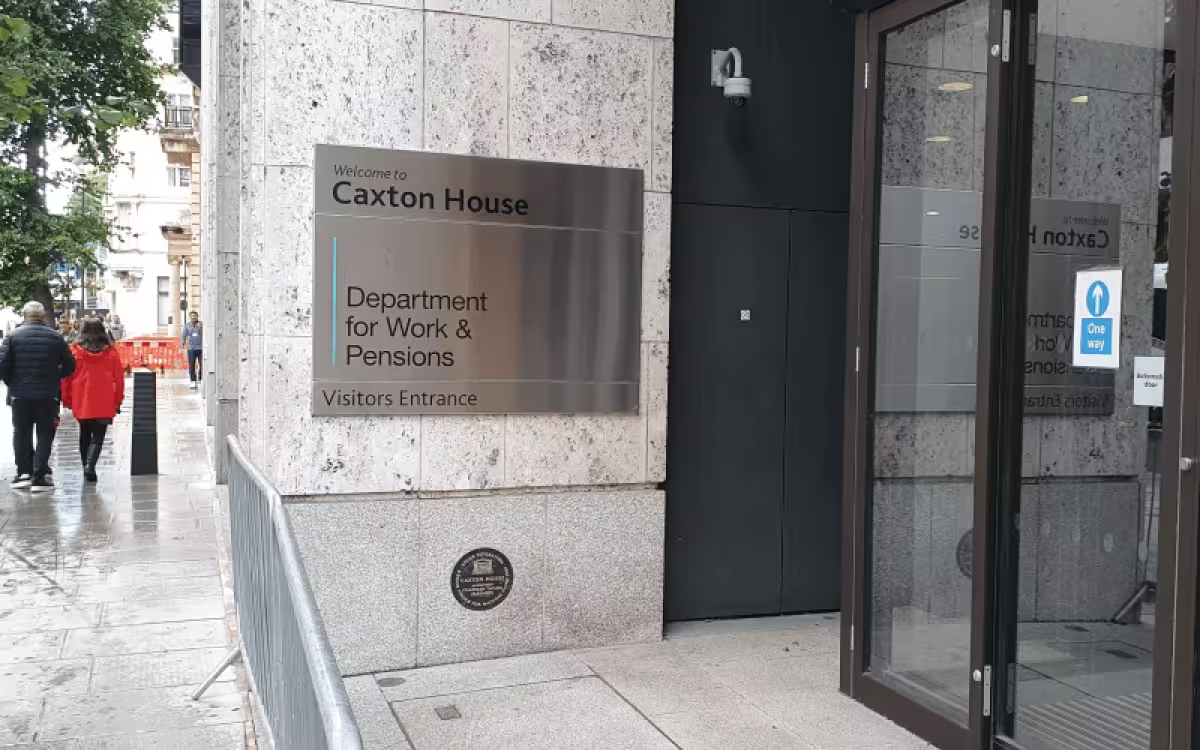
That support matters because it is the gateway to the free television licence offer for eligible over-75s. People who already receive Pension Credit can apply for a free licence when they are 74, but they must keep paying until the end of the month before their 75th birthday. The Department for Work and Pensions says the application takes just 16 minutes on average, a detail that may matter to pensioners weighing whether the claim is worth the effort.
The rise in the licence fee is part of a wider pattern. The fee has already gone up this year in line with inflation under the 2022 Licence Fee Settlement, and it is due to keep rising with inflation for the remaining years of the Charter period, which runs until the end of 2027. That means another increase is due in April next year, with households facing further pressure again in April 2027.
For older viewers on tight budgets, the friction is obvious: the charge is climbing, but the only way to get it down to zero is to claim a benefit many people still do not apply for. The government says it will provide a £6 billion boost to spending on State Pensions and pensioner benefits in 2026 and 2027, and Pension Credit is central to that promise. The question now is not whether the saving exists — it does — but whether enough eligible pensioners will claim it in time to use it.