An international team led by Australian Antarctic Program scientists has identified a possible missing link in the annual Southern Ocean sea-ice melt cycle: ocean waves. The study says waves may be doing more than breaking ice apart at the edges. They may also be helping melt it from the top.
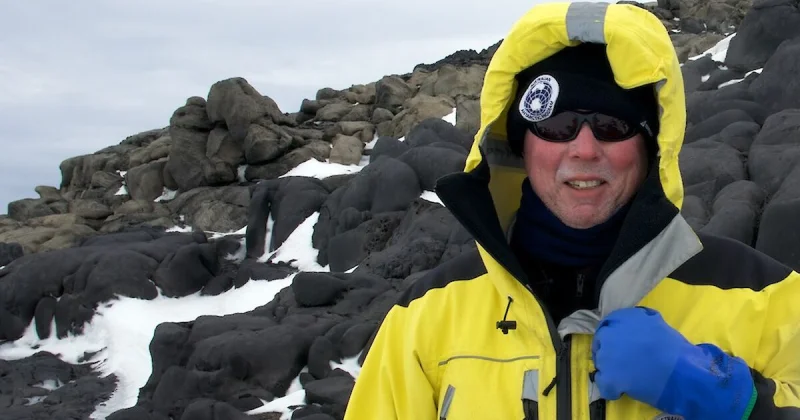
Dr Rob Massom, who led the work, said wave action likely contributes to surface melting of Antarctic sea ice in ways that have been overlooked until now. The team used observations, modeling and theoretical insights to argue that waves wash snow off sea ice, flood the surface with seawater and grind floes into slush, exposing more ice to sunlight and warming water each summer.
The finding matters because Antarctica's sea-ice system shifts on a huge scale every year, growing from 2 million to 3 million square kilometres in summer and expanding to 18 million to 19 million square kilometres in winter. At the same time, snow-covered sea ice reflects more than 80 per cent of incoming sunlight, while the darker ocean around it absorbs about 93 per cent and warms. That balance helps determine how fast the ice retreats and how much heat the region holds.
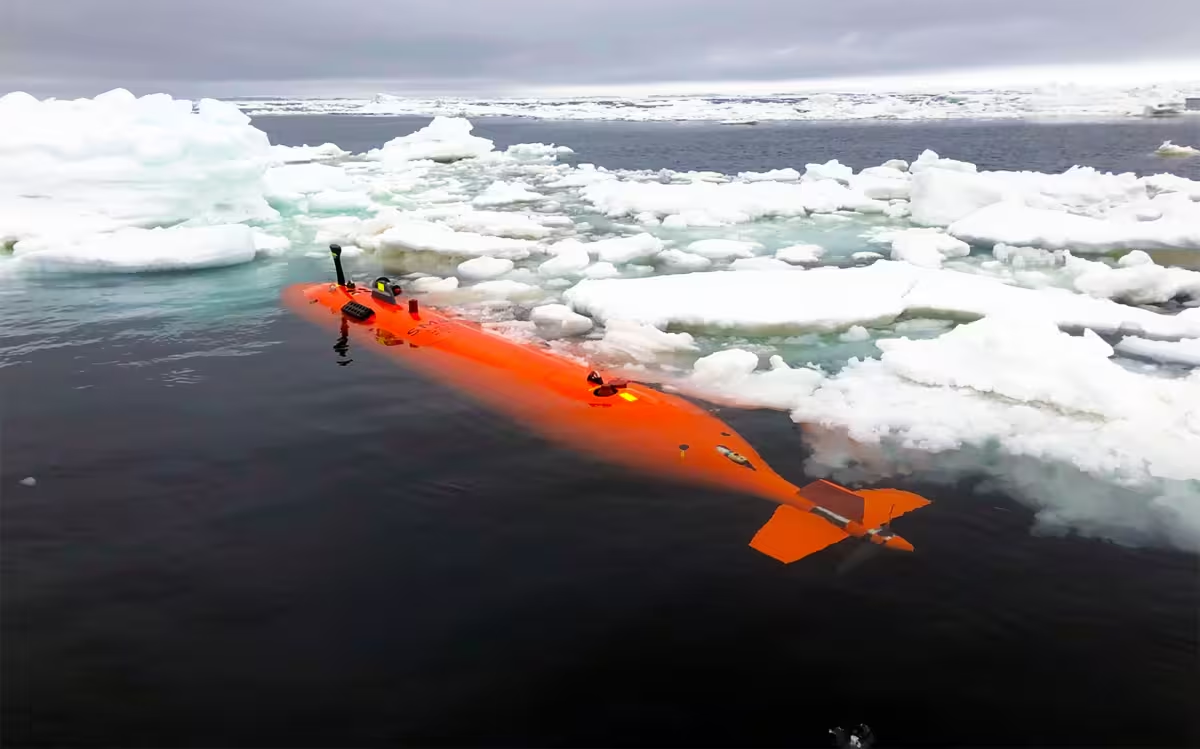
The study says wave flooding, wave pulverisation and wave greening could enhance the speed of summer melting by between 5.2 cm and 6.1 cm per day. Massom said wave melting alone could melt a one metre-thick slab of flooded sea ice in 20 days, or in about 16 days if greening amplifies the effect. He said sophisticated climate models largely underestimate the average rate of sea-ice retreat observed by satellites each summer, which points to incomplete knowledge of processes that matter for future projections.
That gap is the crux of the new work. The research frames the wave effect as a missing piece in efforts to explain recent dramatic sea-ice loss and to reduce uncertainty in forecasts of future sea-ice and climate change. By tying together wave flooding, ice breakup and the rapid growth of algae inside the ice, the study suggests the summer melt season may be more aggressive than models have captured so far.
The remaining question is not whether Antarctic sea ice keeps changing, but how much of that change is being driven by a process that has been sitting in plain sight. If waves are accelerating melt across the Southern Ocean in the way the team describes, climate models may need a harder reset than a small adjustment.